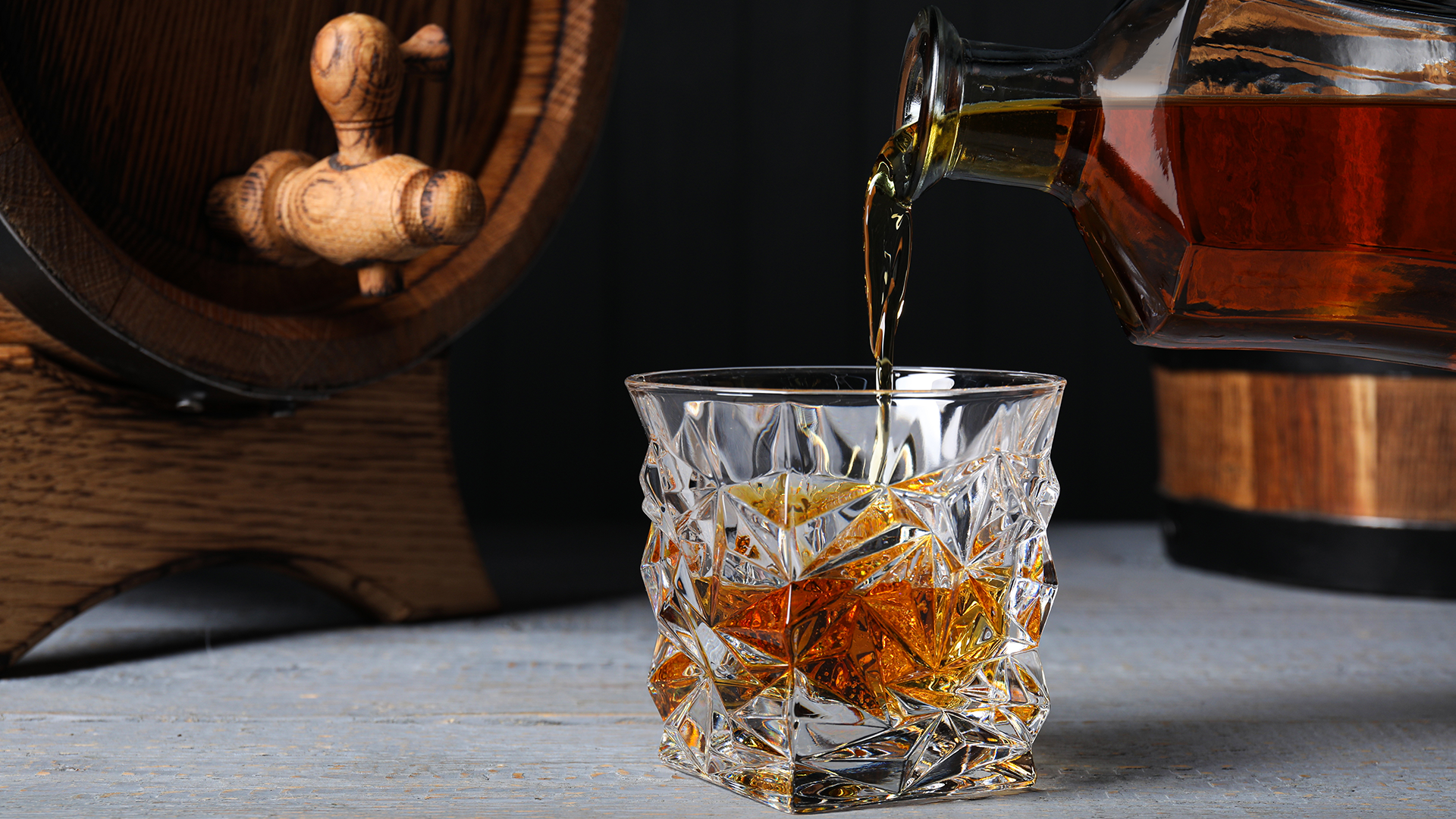
Curated distilled elegance
Journey through world premium spirits
Centuries of tradition converge in artisanal copper stills, creating liquids of complex character. Every bottle tells unique stories of terroir, cask selection, and meticulous craftsmanship.
Craft and heritage
The versatility of rum and sugarcane spirits
Tropical climates accelerate aging, allowing rum derived from sugarcane to develop intense profiles rapidly. Whether produced from fresh cane juice or rich molasses, fermentation dictates the aromatic blueprint. Oak barrels impart deep notes of vanilla and toffee during the resting phase. This interaction creates a spectrum ranging from clear agricole varieties to dark, complex elixirs suitable for cocktails.
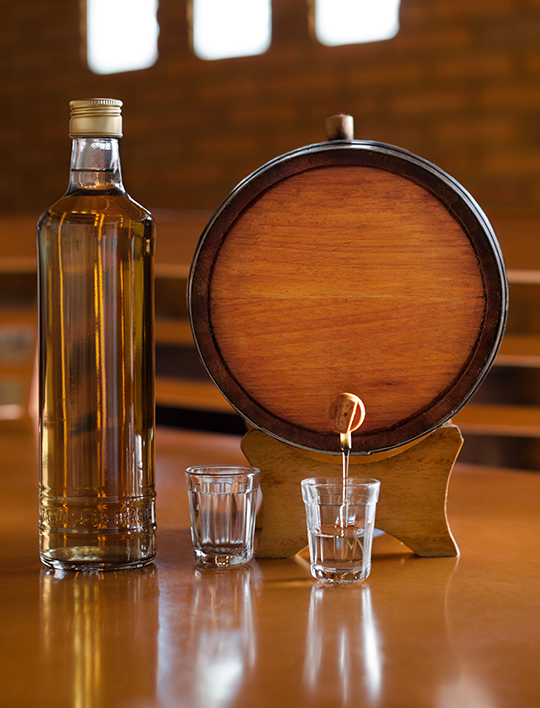
Accelerated tropical aging process
High humidity levels increase the angel’s share, concentrating flavors for a denser, richer sipping experience.
Cane juice origin
Professional sensory analysis and tasting

Visual examination
Tilting the Snifter against a white background reveals viscosity and indicates alcoholic strength through the legs.

Olfactory assessment
Approaching the nose gently allows volatile esters to rise without overwhelming the senses with ethanol burn.

Palate exploration
Holding the liquid on the tongue warms it, releasing secondary flavors of stone fruit and oak.

The Finish
Evaluating lingering sensations after swallowing helps determine the complexity of the quality spirit distillation.

Retro-olfaction
Exhaling gently through the nose while tasting amplifies subtle botanical gin notes hidden initially.

Water addition
A few drops of mineral water break surface tension, unlocking tightly bound hydrophobic aroma compounds.
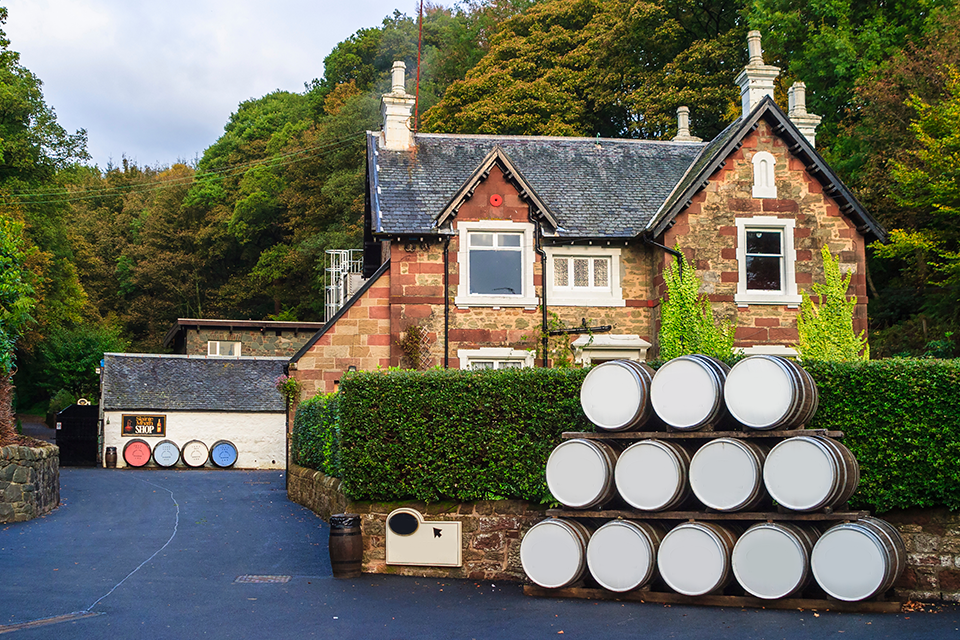
Whisky regions and terroir influence
Mash bills and water sources provide the canvas for aged spirits, but environment exerts final influence. Coastal ricks introduce saline notes through permeable casks, while highland storage encourages floral retention. Barrel char levels act as filters, removing impurities while adding structural tannins defining the dram's character.
Single malt focus
Distinctive aging profiles
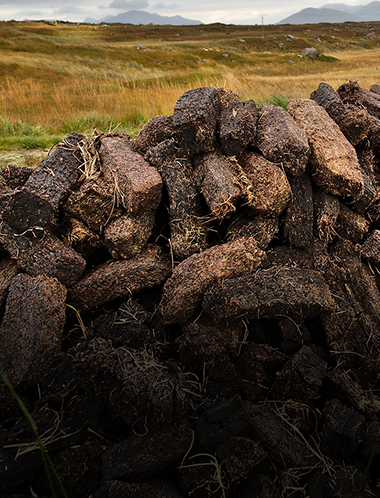
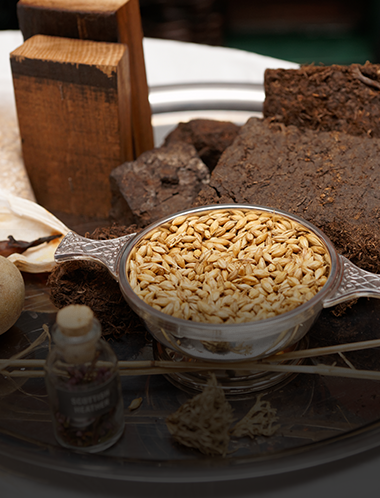
Peated malt intensity
Smoked barley drying
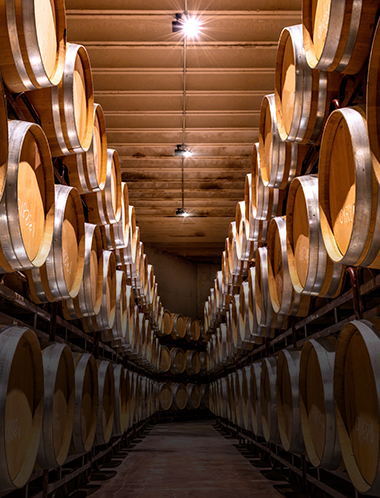
Sherry cask maturation
Dried fruit notes
Virgin oak finishing
Spicy vanilla kick
Mastering the art of mixology
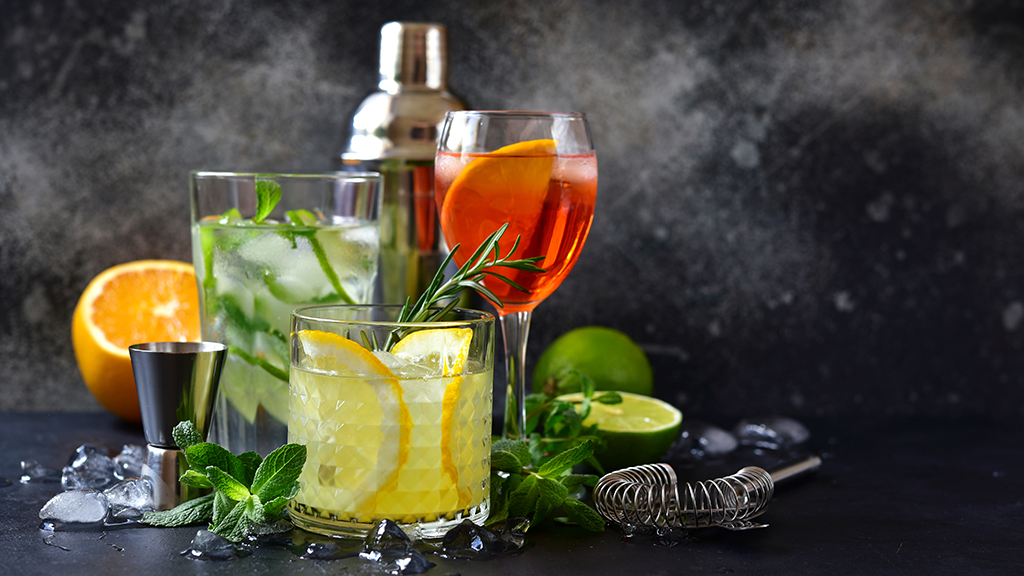
Precision defines classic recipes, requiring jiggers to harmonize acidity, sweetness, and spirit strength. Clear ice quality plays a crucial role, as density determines dilution rates. Proper technique, whether shaking to aerate citrus or stirring mixing glasses, transforms simple ingredients into a cohesive bar experience.
Whisky and rum culinary delights
Discover gastronomy with whisky and rum
Exploring food pairings enhances tasting journeys profoundly. Combining rich flavors in recipes creates complex sensations, while the right crystal emphasizes aromas. Attention to these nuances transforms a simple dram into a memorable dining experience.
Exquisite spirit and food pairings
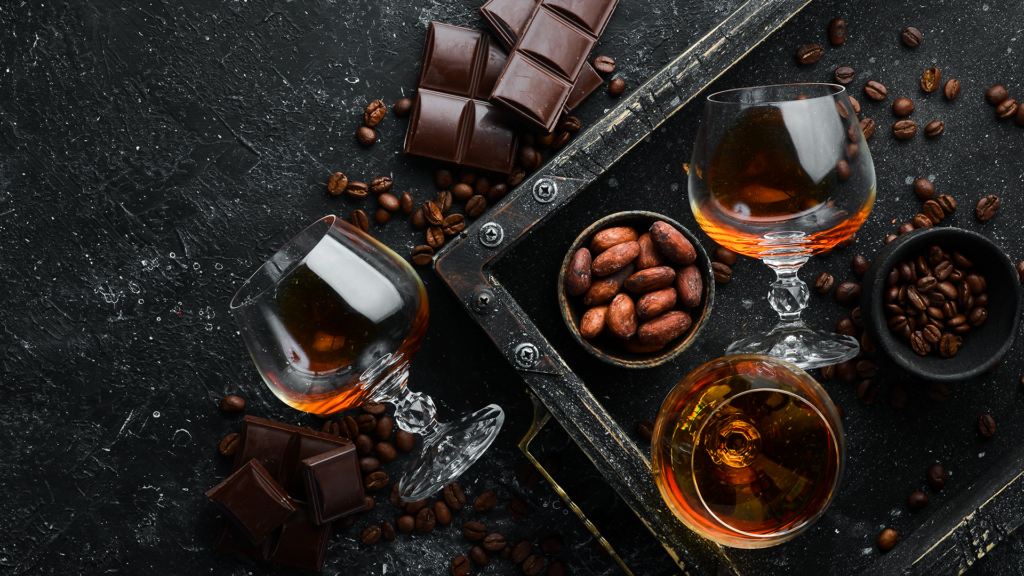
Velvety dark cocoa chocolate
Deep, bittersweet chocolate intensifies aged whisky or spiced rum, highlighting notes of caramel, vanilla, and toasted nuts elegantly.
Gourmet cheese boards
Soft, creamy brie tempers alcohol warmth, allowing subtle nutty, smoky, or floral tones of fine spirits to shine effortlessly.
Smoked charcuterie and cured meats
Savory salami complements rich rums or peaty whiskies, balancing sweetness, smoke, and spice for a refined epicurean pleasure.
Bar service and presentation
Ultimate accessories & glassware
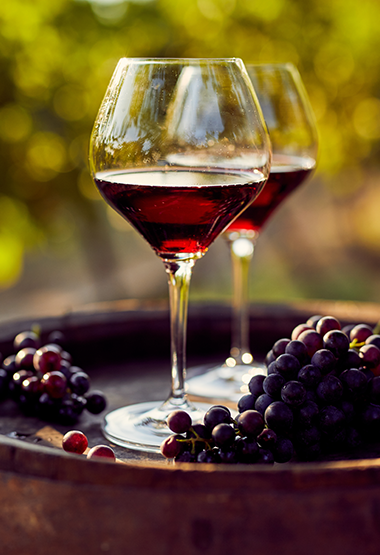
Sleek wine glass shape
A slender bowl preserves delicate bouquet, essential for savoring the aroma of premium aged brandy and cognac.
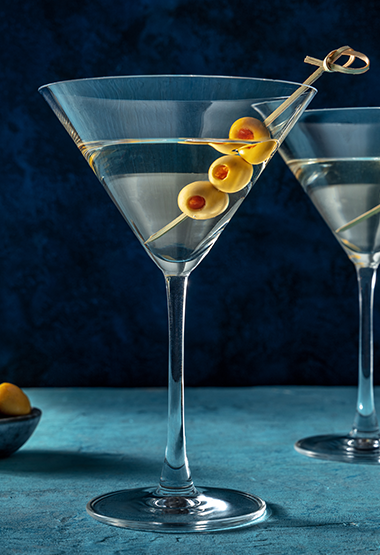
Vintage martini coupe
Wide shallow rims enhance presentation, perfect for shaken Manhattan cocktails enjoyed up without ice.
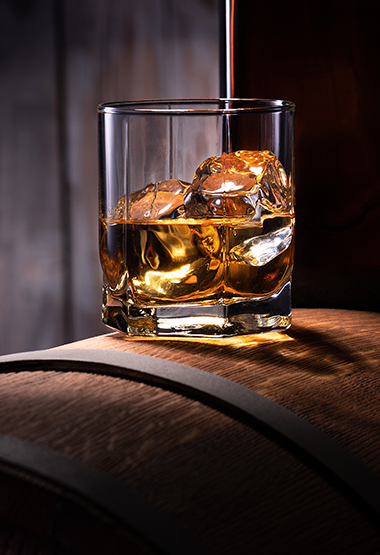
Sturdy whiskey tumbler
Thick solid bases protect temperature, ideal for enjoying aged spirits neat or classic Old Fashioned mixes.