Accessories & Glassware
Behind every exceptional cocktail or perfectly served spirit lies a sophisticated interplay of tools, materials, and techniques that extend far beyond the liquid itself. The accessories and glassware you choose are not mere aesthetic decisions—they represent applied physics, chemistry, and centuries of craft refinement. From the molecular structure of ice to the microscopic texture of a crystal rim, each element influences temperature control, aroma release, and the overall sensory experience in measurable ways.
Understanding these fundamentals transforms how you approach beverage service, whether you’re building a home bar or refining professional techniques. This comprehensive exploration examines the science behind ice formation and tempering, the material properties that make certain mixing vessels superior, the glass chemistry that affects nosing and tasting, and the historical evolution of specialized cocktail glassware. Each section connects technical principles to practical application, empowering you to make informed decisions about the tools and vessels that will elevate your craft.
The Science and Art of Ice in Premium Service
Ice represents one of the most technically complex yet frequently overlooked elements in beverage preparation. Its role extends far beyond simple cooling—the physics of ice formation directly impacts dilution rates, carbonation retention, and even the perception of flavor balance in your finished cocktail.
Directional Freezing and Crystal Clarity
The clarity of ice is determined by the speed and direction of the freezing process. When water freezes from all directions simultaneously (as in a standard freezer), dissolved gases and minerals become trapped within the ice matrix, creating cloudiness and off-flavors. Directional freezing—where water freezes progressively from one direction—allows impurities to be pushed ahead of the freezing front, concentrating them in the last portion to solidify. This method produces optically clear ice that melts more slowly and imparts no unwanted flavors, a critical consideration when a single cube may be the only ingredient added to a premium whisky.
Shape, Size, and Thermal Performance
The geometry of ice directly affects its surface-area-to-volume ratio, which governs melting speed and dilution. A large sphere offers the lowest surface area for a given volume, making it ideal for slow-sipping spirits where minimal dilution is desired. Large cubes provide similar thermal efficiency while offering better stability in the glass. Conversely, smaller or irregularly shaped ice accelerates chilling but introduces rapid dilution—a deliberate choice for certain stirred cocktails where controlled water integration is part of the recipe.
Tempering and Storage Considerations
Ice pulled directly from a freezer at sub-zero temperatures can shock delicate spirits and temporarily mute aromatic compounds. Tempering—allowing ice to rest at room temperature for 30-60 seconds before use—brings it closer to its melting point, ensuring more predictable dilution and preventing the thermal shock that can make spirits taste harsh. Additionally, proper storage in sealed containers prevents freezer burn, which occurs when ice sublimates and recrystallizes with absorbed freezer odors, introducing undesirable flavors into your carefully crafted drinks.
Mixing Vessels and Barware: Material Choices and Their Impact
The tools used to combine ingredients are not interchangeable accessories but precision instruments whose material properties fundamentally alter mixing outcomes. Understanding the thermodynamic and tactile differences between vessel materials enables you to control dilution, temperature, and texture with greater precision.
Glass Versus Metal Mixing Vessels
The debate between glass and metal mixing vessels centers on thermal conductivity and sensory feedback. Metal vessels, typically made from stainless steel, conduct heat approximately 15 times more efficiently than glass. This means they chill rapidly when filled with ice, creating a visible frost on the exterior that provides instant visual feedback about the drink’s temperature. The rapid heat transfer also accelerates chilling, ideal for time-sensitive service. Glass vessels, conversely, offer transparency—allowing you to observe the liquid’s clarity and color development—and provide a more neutral thermal experience, reducing the risk of over-chilling delicate ingredients.
The Purpose and Design of Pouring Spouts
Integrated or fitted spouts serve multiple technical functions beyond mere convenience. A properly designed spout creates laminar flow, reducing turbulence and aeration during the pour—essential when transferring stirred cocktails that should remain silky and unagitated. The spout also protects against chipping, as the reinforced pour point absorbs the impact that would otherwise stress the vessel’s rim. When selecting mixing vessels, consider spout geometry: a wider, gently tapered design offers better flow control than narrow or sharply angled alternatives.
Japanese Stirring Technique and Vessel Selection
The refined Japanese stirring method emphasizes smooth, controlled rotation with minimal vertical motion, achieving optimal dilution and temperature in typically 15-20 seconds. This technique requires a mixing glass with specific characteristics: sufficient height to prevent splashing, adequate diameter to allow full bar spoon movement, and optimized liquid capacity—usually 500-700ml—that balances efficient ice-to-liquid ratios with practical working volume. The vessel’s weight distribution also matters; a stable, moderately heavy base prevents tipping during vigorous stirring while maintaining the delicate control this technique demands.
Glass Science: How Material and Design Shape the Tasting Experience
The vessel from which you drink is not a passive container but an active participant in flavor perception. The chemical composition of glass, its physical geometry, and even its microscopic surface characteristics measurably influence how aromatic compounds reach your olfactory system and how the liquid feels against your palate.
Material Composition and Sensory Clarity
Traditional crystal glass contains lead oxide (typically 18-30%), which increases refractive index—creating the characteristic “sparkle”—and allows artisans to blow thinner, more delicate vessels. However, lead content raises legitimate health concerns, particularly with prolonged contact or acidic liquids. Modern lead-free crystal alternatives use barium, zinc, or titanium oxides to achieve similar optical properties and thinness without leaching risks. The glass material also affects the nosing experience: the inert nature of high-quality glass ensures no flavor contribution, while inferior materials may impart subtle metallic or mineral notes that interfere with delicate spirits.
Rim Thickness and Tactile Perception
The rim represents the first physical contact point between vessel and palate, making its thickness critical to perceived quality and flavor delivery. A thin, precisely cut rim (less than 1mm) directs liquid smoothly onto the tongue with minimal interference, allowing the spirit’s texture and flavor to dominate the experience. Thicker rims create a noticeable physical barrier that can distract from the liquid and alter flow dynamics, changing where on the tongue the spirit first makes contact—a variable that significantly affects initial flavor perception due to regional taste receptor distribution.
Microscopic Surface Texture and Carbonation
Under magnification, glass surfaces reveal microscopic irregularities that serve as nucleation sites for bubble formation in carbonated beverages. Etched or rougher surfaces promote vigorous bubbling, which can be desirable for Champagne service but problematic for delicate sparkling cocktails where you want to preserve carbonation. Impeccably smooth glass (achieved through specific polishing techniques) minimizes premature gas release, maintaining the dissolved CO₂ that contributes to mouthfeel and flavor integration. This same principle explains why impurities in ice accelerate carbonation loss: trapped minerals create surface irregularities that encourage degassing.
Maintenance: Preserving Optical and Chemical Purity
Crystal and fine glassware demand specific cleaning protocols to maintain their sensory neutrality. Hard water deposits, detergent residues, and lipid films from previous use can all interfere with aroma perception and visual clarity. Hand washing with unscented, low-residue detergents in moderately hot water (not extreme temperatures, which stress crystal) followed by immediate drying with lint-free cloths prevents spotting and maintains the microscopic surface integrity critical for proper liquid and aroma behavior.
Classic Cocktail Glasses: Design History Meets Functional Performance
Each traditional cocktail glass shape evolved to solve specific serving challenges while reflecting the aesthetic values of its era. Understanding these design rationales—from thermodynamics to aromatic concentration—helps you select appropriate vessels and avoid common serving mistakes that compromise drink quality.
The Coupe: Historical Elegance and Practical Limitations
The shallow, broad-bowled coupe glass emerged in the 17th century and became the definitive vessel for Champagne and cocktails throughout the early 20th century. Its wide surface area, however, represents a thermal liability: drinks warm rapidly due to maximum air exposure and heat transfer from the hand when held by the bowl. The shallow depth also limits the “wash line”—the liquid level indicator that bartenders use to ensure consistent portion control. Despite these functional drawbacks, the coupe remains valued for its aesthetic appeal and its suitability for drinks with substantial garnishes, which the wide rim accommodates gracefully. When using coupes, optimized garnish placement at the rim rather than floating in the drink helps preserve the limited capacity.
Nick & Nora: Refinement of the Coupe Concept
The Nick & Nora glass, named after characters in “The Thin Man” film series, represents an evolutionary improvement over the coupe. Its more rounded, tulip-like bowl and slightly reduced diameter decrease surface area exposure, slowing warming while gently concentrating aromatics toward the nose. The increased depth provides better portion visibility and reduces spillage risk—a practical concern with the coupe’s shallow profile. This glass exemplifies how subtle geometric modifications can significantly improve functional performance while maintaining vintage aesthetic appeal.
Rocks Glasses: Thermodynamics and Structural Design
The heavy-bottomed old fashioned glass is engineered around a specific use case: drinks built directly in the glass with ice, often muddled ingredients, and served over extended periods. The thick base serves multiple functions—it provides thermal mass that stabilizes temperature, offers structural reinforcement to withstand muddling pressure, and creates a comfortable grip zone that keeps hands away from the liquid. The distinction between single and double old fashioned glasses (typically 6-8oz versus 10-12oz) determines ice volume and dilution trajectory. Larger doubles accommodate oversized ice cubes or spheres that melt slowly, ideal for spirit-forward drinks, while singles work better for shorter drinks where standard cubes provide appropriate dilution.
Adapting Wine Glassware for Spirits Appreciation
The practice of using wine glassware for spirits tasting has gained significant traction among enthusiasts and professionals. The chimney effect created by tulip-shaped wine glasses concentrates volatile aromatic compounds as they rise from the liquid surface, funneling them toward the nose with greater intensity than straight-sided vessels. The bowl’s volume also allows for effective swirling, which increases liquid surface area and accelerates evaporation of aromatic molecules—a technique borrowed directly from wine evaluation. An ISO tasting glass or a small white wine glass (8-10oz) provides optimal geometry for spirits: sufficient bowl volume for swirling, inward taper to concentrate aromas, and appropriate pour levels (1-2oz) that position the liquid in the widest part of the bowl, maximizing surface area for evaporation.
Mastering the technical foundations of bar accessories and glassware transforms them from background elements into precision tools that enhance every aspect of beverage service. The principles explored here—from ice crystallography to glass chemistry, from thermal dynamics to historical design evolution—provide the knowledge base to make intentional, informed choices. Whether you’re selecting the ideal vessel for a rare whisky, optimizing your stirring technique, or understanding why certain glasses fundamentally improve the tasting experience, these concepts connect theory to practice. Continue exploring individual topics in greater depth to refine specific aspects of your craft, always remembering that excellence in beverage service lies in the thoughtful integration of countless small details, each rooted in measurable science and refined through generations of experience.
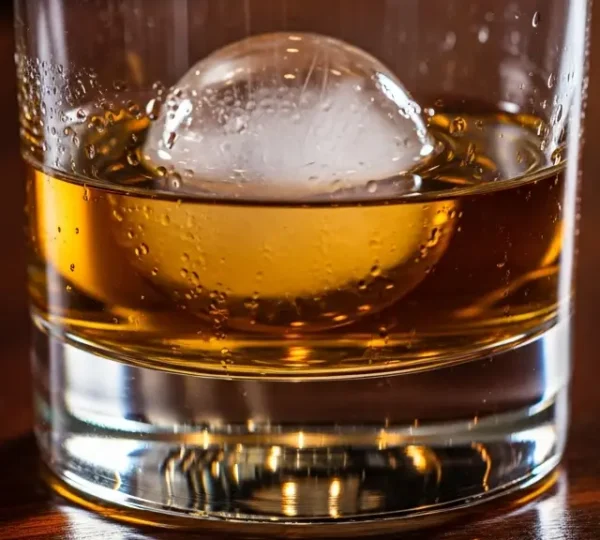
The Old Fashioned Glass: Why Base Weight Matters for Muddling Sugar Cubes?
The substantial weight of an Old Fashioned glass is not a stylistic choice, but a critical design feature engineered for mechanical and thermal performance. The heavy base provides the necessary stability and counter-torque for effective, one-handed muddling. Its high thermal…
Read more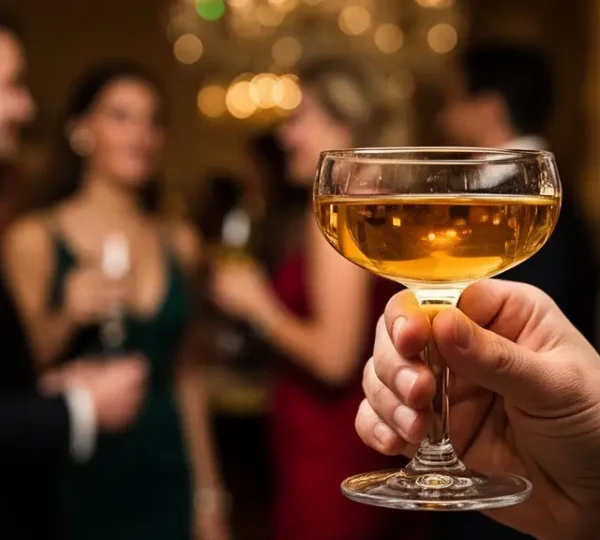
The Martini Coupe: How to Carry It Without Spilling a Drop at a Party?
The coupe glass isn’t inherently unstable—it’s simply misunderstood by modern drinking culture. Mastering the “wash line” and thermal dynamics eliminates spillage risks entirely The choice between Nick & Nora and wide coupe shapes depends on aroma concentration vs. social accessibility…
Read more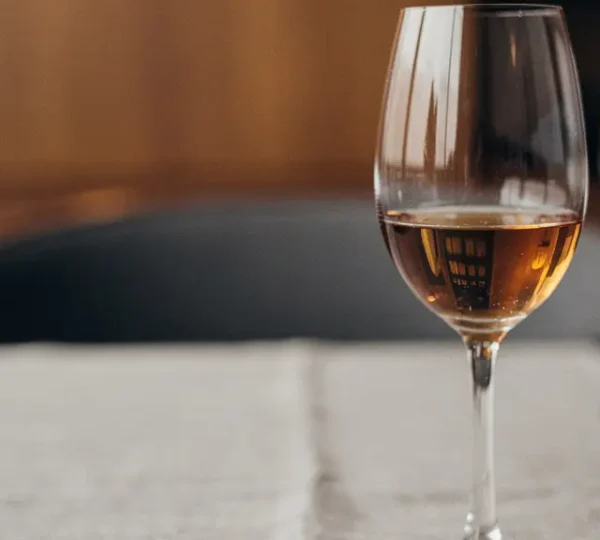
Why Are Top Sommeliers Serving Aged Rum in White Wine Glasses?
Contrary to popular belief, you don’t need a cabinet full of specialized glassware to properly appreciate fine spirits. A standard white wine glass’s tapered bowl is highly effective at concentrating delicate aromas while managing harsh ethanol vapors. The stem is…
Read more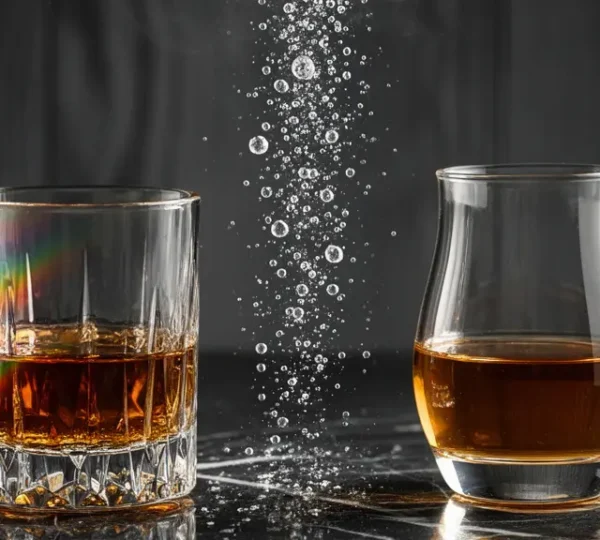
Lead Crystal vs. Borosilicate: A Sensory Scientist’s Guide to Why Glass Material Matters for Nosing
Contrary to popular belief, the superiority of lead crystal is not just about tradition or sparkle; it’s a matter of micro-physics that measurably alters the spirit’s aroma profile. The rough surface of crystal increases volatilization, releasing more aromatic compounds than…
Read more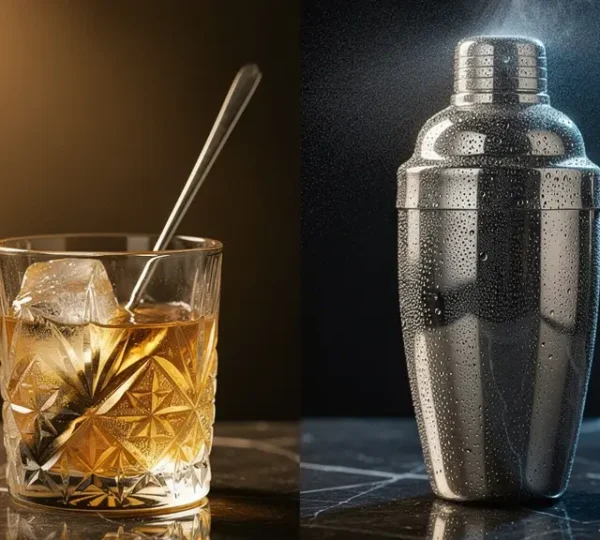
When to Stir and When to Shake: The Physics of Texture in Mixology?
The choice to stir or shake a cocktail is not a matter of preference, but of deliberately engineering its final texture and temperature. Stirring is for spirit-only cocktails (like Martinis or Negronis), using controlled motion to achieve chilling and dilution…
Read more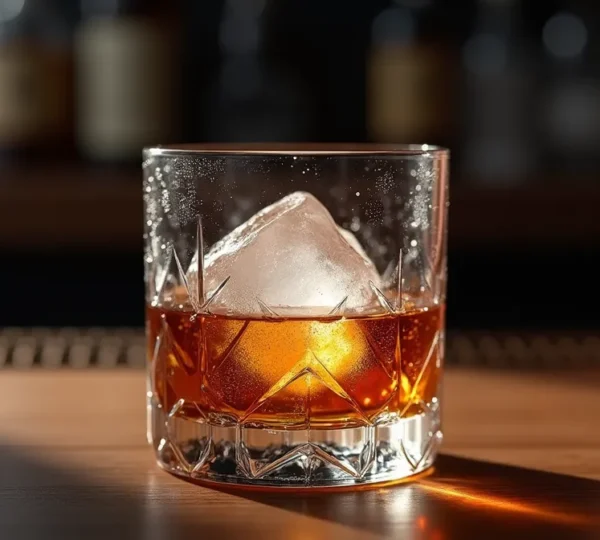
Why Does Clear Ice Melt Slower Than Cloudy Freezer Ice in Cocktails?
Contrary to popular belief, the primary role of cocktail ice isn’t just cooling; it’s controlling dilution. The superiority of clear ice over cloudy ice lies in its near-perfect structural integrity, which prevents it from actively ruining your drink. Cloudy ice…
Read more