Blog
The world of spirits can feel intimidating at first glance. Behind every bottle lies a complex story of distillation techniques, alcohol chemistry, tasting protocols, and cultural traditions. Yet understanding these elements doesn’t require years of professional training—it simply demands the right framework and a willingness to engage thoughtfully with what’s in your glass.
This comprehensive resource demystifies the essential pillars of spirits appreciation. Whether you’re learning to properly taste and evaluate spirits, decoding what those numbers on the label actually mean, distinguishing genuine craft production from marketing narratives, or hosting your first spirit-focused gathering, the knowledge presented here will transform your relationship with distilled beverages. These aren’t arbitrary rules to memorize, but interconnected concepts that, once understood, unlock a deeper and more rewarding experience with every pour.
Mastering the Art of Spirits Tasting
Tasting spirits effectively isn’t just about taking a sip and forming an opinion. It’s a deliberate practice that requires attention to environment, timing, and technique. The difference between a haphazard tasting and a revelatory one often comes down to factors you can completely control.
Setting the Stage for Optimal Tasting
Your physical environment dramatically influences your perception of spirits. Think of your senses as precision instruments—they need calibration. Glassware choice isn’t merely aesthetic; the shape of your glass concentrates or disperses aromatic compounds, fundamentally changing what reaches your nose. A tulip-shaped glass traps volatile aromatics, while a tumbler allows them to escape before you can fully appreciate them.
The psychological dimension matters equally. Research in sensory science has repeatedly demonstrated that ambient factors like lighting and music alter flavor perception. Harsh fluorescent lighting can create subtle stress responses that tighten your palate, while warm, moderate lighting encourages relaxation and openness. Similarly, the tempo and volume of background music can accelerate or slow your perception of time, affecting how long aromatic compounds linger in your awareness.
Consider these environmental elements when setting up your tasting space:
- Use neutral lighting that allows you to observe the spirit’s color without distortion
- Eliminate competing aromas (scented candles, strong foods, perfumes)
- Maintain a comfortable temperature—overheated rooms volatilize alcohol too quickly
- Choose appropriate glassware with a tapered opening to concentrate aromatics
Timing and Palate Preparation
When you taste matters as much as how you taste. Your palate sensitivity fluctuates throughout the day based on circadian rhythms, hydration levels, and what you’ve recently consumed. Professional tasters typically prefer late morning or early afternoon sessions, when the palate is alert but not yet fatigued from the day’s meals.
One of the most common errors is tasting immediately after consuming spicy food. Capsaicin compounds bind to the same pain receptors (TRPV1) that respond to alcohol’s burn, creating a compounding effect that masks subtle flavors entirely. This isn’t a minor inconvenience—it can render your palate essentially useless for nuanced evaluation for up to an hour.
Effective palate cleansing between samples is equally critical. Water works for basic clearing, but understanding the mechanism helps you optimize the technique. You’re not just rinsing—you’re resetting your taste receptors and clearing residual oils. Plain crackers or bread provide a physical scrubbing action, while room-temperature water rehydrates your palate. Avoid carbonated water during serious tastings; the CO₂ can numb your palate and introduce additional sensory variables.
Decoding Alcohol Content and Proof
The numbers on a spirits bottle contain crucial information about flavor, body, and consumption safety—yet they’re often misunderstood or ignored entirely. Understanding alcohol by volume (ABV) transforms these figures from abstract percentages into practical knowledge that directly impacts your tasting experience.
How ABV Shapes Flavor and Body
Alcohol isn’t simply an intoxicating carrier for flavor—it’s an active participant in flavor delivery. Many aromatic compounds are only soluble in ethanol, not water. This means that higher-proof spirits can carry flavor molecules that would be imperceptible in lower-proof expressions. Think of alcohol as a solvent that unlocks certain flavors while masking others.
Cask strength bottlings (typically 55-65% ABV) preserve the spirit exactly as it emerges from the barrel, undiluted. These expressions offer maximum flavor intensity and allow you, the drinker, to control dilution rather than having that decision made for you at the distillery. A cask strength whiskey at 60% ABV contains radically different flavor information than its 40% ABV counterpart—not just “more” flavor, but actually different compounds in different proportions.
The common misconception that lower ABV automatically equals “smoothness” reveals a fundamental misunderstanding. Smoothness relates to distillation quality, maturation, and flavor balance—not merely alcohol percentage. A poorly distilled spirit at 40% ABV can be harsher than an expertly crafted one at 50% ABV. The ethanol percentage affects mouthfeel and body, creating viscosity and weight, but harshness comes from congeners and fusel oils, not alcohol itself.
The Truth About Dilution and Strength
Learning to dilute high-proof spirits properly unlocks their full potential. This isn’t about watering down quality—it’s about revealing it. Adding water to spirits above 45% ABV triggers a phenomenon where certain fatty acid compounds (particularly in whiskey) break their molecular associations and release new aromatics. This is chemistry, not preference.
The practical approach: add water gradually, in small increments, evaluating after each addition. A few drops can transform a closed, alcoholic nose into an expressive bouquet. For cask strength spirits, you might add anywhere from a few drops to a 1:1 ratio depending on the initial proof and your preference. There’s no single “correct” dilution—the goal is finding the point where alcohol no longer dominates and the spirit’s character emerges most clearly.
Understanding alcohol units and safe consumption becomes essential when working with high-proof spirits. A standard drink contains approximately 14 grams of pure alcohol. A 50ml pour of a 40% ABV spirit equals roughly 1.4 standard drinks, but that same 50ml of a 60% ABV cask strength expression contains 2.1 standard drinks. This isn’t minor arithmetic—it’s the difference between responsible appreciation and overconsumption.
Craft Versus Industrial: Reading Between the Lines
The spirits market is flooded with marketing language designed to imply artisanal quality: “handmade,” “small batch,” “craft distilled.” Yet these terms often lack legal definitions and tell you remarkably little about what’s actually in the bottle. Developing label literacy empowers you to make informed purchasing decisions based on production reality, not marketing fantasy.
Understanding Distillation Methods
The fundamental distinction between batch distillation and continuous distillation affects everything about the final spirit. Batch distillation uses pot stills, processing one batch at a time, requiring the distiller to make active decisions about “cuts”—the separation of heads, hearts, and tails. This labor-intensive method allows for character and complexity but demands genuine skill.
The cuts process is where craft reveals itself. The “heads” contain volatile compounds including acetone and methanol—harsh, unpleasant, and potentially dangerous. The “hearts” represent the desirable middle portion, rich in ethanol and favorable aromatics. The “tails” bring heavier oils and compounds that add character in small amounts but become unpleasant in excess. A skilled distiller makes nuanced decisions about exactly when to transition between these fractions, decisions that define the spirit’s character.
Continuous distillation, typically using column stills, operates non-stop and produces cleaner, lighter spirits with less character variation. This isn’t inherently inferior—vodka and lighter rum styles benefit from this approach—but it’s fundamentally different from batch production. Industrial-scale operations almost exclusively use continuous distillation for efficiency, producing consistent but less characterful spirits.
Label Literacy and Smart Purchasing
Reading labels for production clues requires knowing what questions to ask. Does the label specify the distillery, or just a brand name? Many “craft” brands are actually sourced from large industrial distilleries and simply bottled by the company whose name appears on the label. This isn’t illegal, but it contradicts the artisanal narrative often presented.
The term “handmade” exemplifies the marketing trap. Legally, it’s nearly meaningless in spirits production. Even massive industrial operations can claim “handmade” elements—someone’s hands touched a valve, didn’t they? Look instead for specific production details:
- Distillery of origin (not just brand owner)
- Still type (pot still suggests batch production)
- Specific mash bill or botanicals
- Age statement (if applicable) rather than vague “aged” claims
- Bottling information (distillery bottled versus contract bottled)
Optimizing your purchase for quality means valuing transparency over marketing romance. A distillery confident in its production methods provides specific information. Vague, emotion-driven language without substantive details often signals a product relying on perception rather than production excellence.
Hosting Memorable Spirit-Focused Events
Sharing spirits with others transforms solitary appreciation into communal experience. Yet hosting a successful spirit-focused gathering requires thoughtful planning beyond simply opening bottles. The structure, pacing, and details separate a forgettable evening from one that educates and delights your guests.
Structuring Your Tasting Experience
The fundamental decision between a seated dinner format and a standing reception shapes everything else. Seated dinners allow for deeper focus, deliberate pacing, and easier education, but require more preparation and limit guest interaction. Standing receptions encourage mingling and casual exploration but make sustained attention to individual spirits more difficult.
Creating a narrative arc transforms random sampling into a coherent journey. Professional tastings typically progress from lighter to heavier, lower to higher proof, or younger to older expressions. This isn’t arbitrary—it prevents palate fatigue and allows each spirit to be appreciated in optimal sequence. Starting with a delicate gin, moving to aged rum, then finishing with cask strength whiskey creates a logical progression. Reversing that order would render the early samples imperceptible after the intense later ones.
Consider structuring your event in clear phases:
- Introduction and palate calibration (15-20 minutes) with a light, accessible spirit
- Focused tasting of 3-4 spirits with guided notes and discussion (45-60 minutes)
- Food pairing or break for palate rest (20-30 minutes)
- Optional deeper exploration or comparison tasting (30 minutes)
- Social conclusion with preferred selections available (open-ended)
The Critical Details That Make or Break Your Event
The most common hosting mistake is over-pouring. Guests don’t need—and shouldn’t receive—full cocktail pours of each sample. Standard tasting portions range from 15-25ml (0.5-0.85 oz), enough to nose, taste, and evaluate without inducing intoxication or palate exhaustion. A 750ml bottle can comfortably provide 30+ tasting portions, making serious spirits exploration more accessible than many hosts realize.
Water management strategy deserves equal attention to the spirits themselves. Provide abundant still water at room temperature—not ice cold, which numbs the palate. Guests should have their own water glass separate from their tasting glass. Encourage water consumption between samples and explain its purpose: you’re resetting receptors and maintaining hydration, not diluting the experience.
Timing food service requires understanding the interplay between spirits and cuisine. Food should enhance, not compete with, the spirits being featured. If you’re showcasing delicate botanical complexity in gin, serving heavily spiced or fatty foods will obliterate those nuances. Match intensity levels—lighter spirits with subtle foods, robust spirits with bolder flavors. Time food service to provide palate rest between tasting phases, not during focused evaluation.
The difference between an amateur gathering and a genuinely memorable event often comes down to these unglamorous details: appropriate glassware for each spirit style, controlled portions that allow exploration without excess, thoughtful pacing that respects your guests’ palates, and a clear educational framework that empowers rather than intimidates.
Spirits appreciation is ultimately about developing confidence—confidence to trust your own perceptions, to ask informed questions, to distinguish marketing from substance, and to share meaningful experiences with others. The technical knowledge outlined here provides the foundation, but the real education happens in deliberate practice: tasting mindfully, comparing thoughtfully, and approaching each bottle with informed curiosity rather than passive consumption.
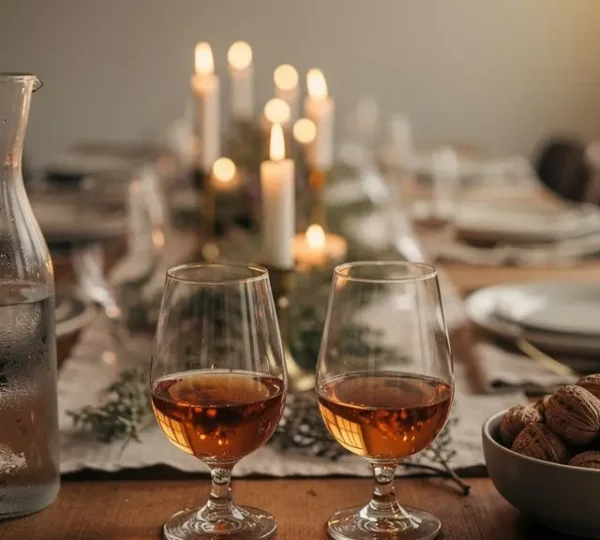
How to Host a Spirit Dinner That Impresses Guests Without Over-Intoxicating Them?
The secret to a sophisticated spirit dinner is not limiting your guests, but meticulously orchestrating their sensory experience with precision and control. Pacing consumption through strategically timed food and water enhances the tasting experience, not just sobriety. Smaller, measured pours…
Read more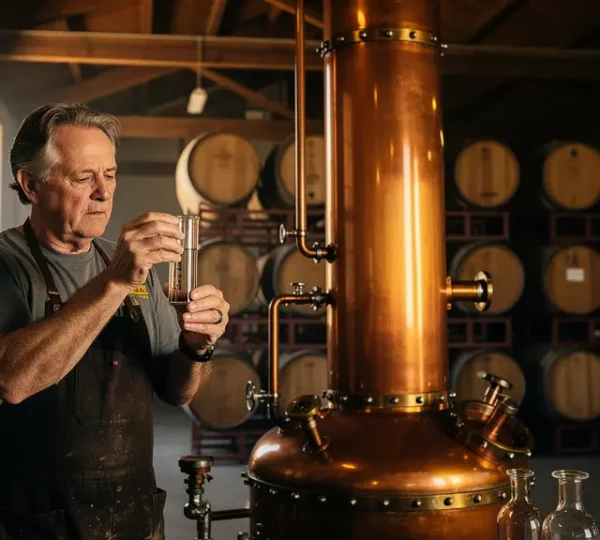
How to Distinguish True Craft Distillation from Industrial Bulk Re-labeling?
The vast majority of ‘craft’ spirits are a marketing illusion, but you can identify authenticity by ignoring the label story and instead reading the ‘production fingerprint’ left by costly, inefficient, and flavour-centric distilling choices. True craft is defined by narrow…
Read more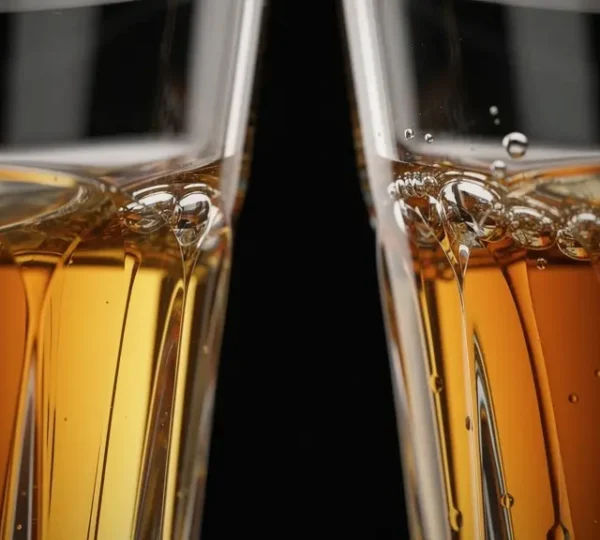
40% vs 46% ABV: Why Does That 6% Difference Change Mouthfeel?
Choosing a spirit based on ABV alone is a costly mistake; the “smoothest” or “most flavorful” bottle isn’t always what you think. Alcohol is a chemical vehicle for flavor, with higher ABVs carrying more oil-based aromatic compounds that water can’t…
Read more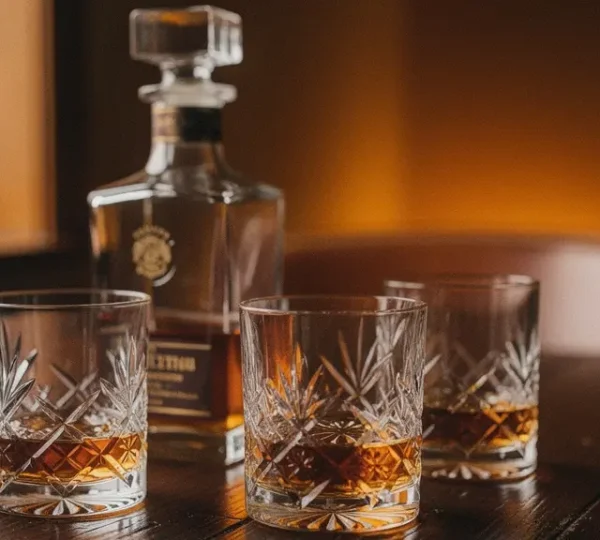
Create Your Sensory Sanctuary: A Guide to Mindful, Distraction-Free Sipping
The true quality of a spirit is not found in the bottle, but is created in the mind through a carefully orchestrated sensory ritual. The physical weight of your glass and the ambient sound in your room measurably alter your…
Read more