Cocktails & Mixology
The world of cocktails and mixology represents a unique intersection of science, art, and sensory exploration. What separates a well-made cocktail from a mediocre one isn’t just premium ingredients or expensive equipment—it’s a deep understanding of fundamental principles that govern flavor, texture, and balance. Whether you’re taking your first steps behind a home bar or looking to elevate your existing skills, mastering these core concepts transforms cocktail making from guesswork into a craft grounded in knowledge and precision.
This comprehensive resource explores the essential pillars of mixology: from the physics of dilution and the chemistry of flavor pairing, to the botanical complexities of spirits and the ergonomic realities of efficient bartending. Each element contributes to your ability to create cocktails that are not only delicious but consistently reproducible—the hallmark of true proficiency.
Understanding the Fundamentals of Cocktail Creation
At its core, professional cocktail creation rests on a foundation of precise technique and sensory awareness. The journey from enthusiast to skilled bartender begins with developing an intuitive understanding of flavor families—how different ingredients interact, complement, or contrast with one another.
Think of flavor families as a painter’s color wheel. Just as complementary colors create visual harmony, complementary flavors create balance in a glass. Citrus notes brighten and lift; bitter elements add complexity and prevent cloying sweetness; savory or umami components introduce unexpected depth. Professional bartenders develop their palates through deliberate practice, tasting ingredients individually before combining them, much like a chef seasons dishes in stages rather than all at once.
The debate between jiggering and free pouring reflects different philosophies, but for those building skills, measured pours provide consistency and allow you to understand ratios before improvising. A jigger eliminates variables, letting you isolate what works and what doesn’t. Once you’ve internalized proper proportions—typically variations on the 2:1:1 ratio (spirit:sweet:sour) that underpins countless classic cocktails—you can experiment with confidence.
Workspace ergonomics often gets overlooked, yet it directly impacts your efficiency and the quality of your output. Organizing your bar setup with frequently used ingredients within arm’s reach, arranging tools in a logical sequence, and maintaining a clean workspace reduces fatigue and minimizes errors during service. Professional bartenders understand that physical comfort translates to mental clarity, allowing you to focus on the craft rather than searching for a misplaced bar spoon.
Mastering Balance: The Core of Mixology
Achieving perfect balance in cocktail construction is perhaps the most critical skill to develop. Balance doesn’t mean that all elements taste equal—it means that no single component overwhelms the others, creating a harmonious whole that evolves pleasantly across the palate.
Spirit-Forward vs Citrus-Forward Profiles
Understanding the distinction between spirit-forward and citrus-forward cocktails helps you calibrate sweetness and dilution appropriately. A Manhattan or Martini showcases the base spirit with minimal dilution and subtle modifiers, while a Margarita or Daiquiri uses citrus as a co-star that needs careful balancing with sweetness. The same volume of simple syrup that works in a citrus-forward drink would render a Negroni undrinkable—context determines proportion.
The Science of Acidity and Sweetness
The pH levels of different citrus fruits vary significantly, affecting how much sweetener you need for balance. Limes typically measure around 2.0-2.4 pH (more acidic), while lemons fall between 2.2-2.6 pH. This seemingly small difference means a lime-based cocktail often requires slightly more sweetener than its lemon-based counterpart to achieve the same perceived tartness. Fresh citrus also varies by season and variety—Persian limes differ from Key limes, Meyer lemons from Eureka lemons.
Adjusting for Syrup Density
Syrup density, measured in Brix degrees, dramatically affects both sweetness intensity and mouthfeel. A standard simple syrup (1:1 sugar to water by volume) measures approximately 50° Brix, while rich simple syrup (2:1 sugar to water) reaches closer to 65° Brix. Using rich syrup when a recipe calls for standard simple syrup doesn’t just make the drink sweeter—it reduces dilution and creates a heavier texture. Professional bartenders account for this by adjusting volumes accordingly, or by standardizing their syrups and modifying recipes to match.
Customizing Classic Templates
Once you understand balance principles, you can customize the template of original cocktails with confidence. The Daiquiri template (spirit + citrus + sweetener) becomes a canvas: substitute rum with bourbon and you’re approaching a Whiskey Sour; swap citrus types or sweetener variables (honey, agave, maple) and you create distinct flavor experiences while maintaining structural integrity. This framework-based approach prevents the mistake of over-complication—you’re not randomly adding ingredients, but making intentional substitutions within a proven structure.
The Science of Dilution and Temperature
Dilution remains one of the most misunderstood and neglected aspects of cocktail making. Far from being an unavoidable consequence of using ice, controlled dilution is essential to achieving proper balance, texture, and temperature.
Why Dilution Matters
Spirits straight from the bottle typically contain 40-50% alcohol by volume—far too intense for most palates when consumed in cocktail form. Dilution reduces alcohol intensity, allowing subtler flavors to emerge while mellowing harsh notes. A properly diluted Martini, for example, contains roughly 20-25% water by volume. Neglecting dilution results in a cocktail that tastes “hot” or unbalanced, regardless of how perfect your ingredient ratios are.
Controlling Water Content During Mixing
The amount of water added during mixing depends on several variables: ice temperature and surface area, mixing duration and vigor, and the initial temperature of your ingredients and glassware. The mistake of using warm glasses is particularly detrimental—a room-temperature glass requires your carefully chilled cocktail to cool the vessel itself, resulting in excessive dilution and rapid warming. Pre-chilling glasses with ice water or in a freezer ensures your dilution comes from controlled mixing, not from temperature equilibration.
The distinction between wet ice and dry ice surface profoundly impacts dilution rates. Wet ice—ice with a thin layer of water on its surface from partial melting—dilutes cocktails faster but chills less efficiently. Dry ice, fresh from the freezer with a surface temperature well below freezing, chills rapidly while diluting more slowly. Professional bartenders prefer dry ice for shaking and stirring, which is why maintaining proper freezer temperatures for ice storage matters.
The Thermodynamics of Stirring
Stirring incorporates dilution more gently than shaking, making it ideal for spirit-forward cocktails where you want to maintain clarity and silky texture. The thermodynamics involved are straightforward: as you stir, ice transfers cold to the liquid while simultaneously melting. The rate of this exchange depends on stirring speed and duration. Typically 30-45 seconds of smooth, consistent stirring achieves optimal dilution and temperature (around -5°C to -7°C) for a Martini or Manhattan.
Dilution in Built Drinks and Batch Cocktails
Built drinks (cocktails constructed directly in the serving glass) and batch cocktails present unique dilution challenges. Since built drinks like an Old Fashioned continue diluting as ice melts during consumption, using larger ice formats (single large cubes or spheres) slows this process, maintaining flavor integrity longer. When optimizing batch cocktails for parties or events, you must pre-dilute to account for the mixing and chilling that individual preparation would provide—generally adding 20-25% water by volume to the batch before refrigerating.
Shaking vs Stirring: Technique and Physics
The debate surrounding texture and temperature of shaken versus stirred drinks has persisted throughout cocktail history, yet the underlying principles are scientifically sound. The choice between techniques isn’t merely tradition—it’s about achieving specific textural and visual outcomes.
Texture and Aeration Differences
Shaking incorporates air into the liquid, creating tiny bubbles that give the cocktail a lighter, frothy texture and a slightly cloudy appearance. This aeration works beautifully with citrus-based drinks, where the enhanced texture complements bright, assertive flavors. Stirring, by contrast, maintains the liquid’s density and clarity, producing a silkier, more viscous mouthfeel that allows subtle botanicals and spirit nuances to shine.
Does Shaking “Bruise” Vermouth?
The physics of bruising vermouth—the notion that aggressive shaking damages delicate botanical flavors—remains contentious. While you cannot literally bruise a liquid, vigorous shaking does increase oxidation exposure and may strip some volatile aromatic compounds. More significantly, shaking creates micro-ice chips that cloud the drink, which is considered visually undesirable in a Martini. Whether this minimal oxidation constitutes “bruising” or merely represents stylistic preference depends on your palate and priorities.
Timing the Shake for Texture vs Dilution
The duration and intensity of your shake directly control both dilution and texture. A standard shake of 12-15 seconds with vigorous motion typically provides adequate chilling and dilution for most citrus-based cocktails. Timing the shake for texture versus dilution requires attention: if you want a particularly frothy Whiskey Sour, shake harder and slightly longer; if your ingredients are especially cold, reduce shaking time to prevent over-dilution.
Cheater Tin vs Mixing Glass
The tools you choose affect technique and results. A cheater tin (two shaker tins nested together) allows for more vigorous shaking and faster separation than a Boston shaker with a mixing glass, reducing the risk of breakage. However, a mixing glass provides visual feedback during stirring—you can observe ice quality and liquid movement. Neither is inherently superior; your choice depends on your working style and the specific drink you’re preparing.
Optimizing the “Hard Shake”
The hard shake technique, popularized by Japanese bartenders, involves an exaggerated shaking motion that maximizes aeration and ice fragmentation. This creates an exceptionally light, almost creamy texture with pronounced frothiness. While impressive, it requires practice to avoid over-dilution—the increased ice breakage means more surface area and faster melting. Master standard shaking before attempting this advanced technique.
The Art of Gin and Botanical Mixology
Gin’s complexity stems from its botanical composition—the carefully selected herbs, spices, citrus peels, and other flavoring agents that define each expression. Understanding these botanicals unlocks creative possibilities and helps you pair gins appropriately with modifiers and mixers.
Deconstructing Botanical Profiles
Every gin must contain juniper, but beyond that legal requirement, distillers have enormous creative freedom. London Dry style gins emphasize juniper with supporting botanicals like coriander, angelica root, and citrus peels, creating the classic “gin” flavor profile. New Western or contemporary gins downplay juniper, instead highlighting unusual botanicals like cucumber, rose, tea, or exotic spices. Recognizing these distinctions helps you select the right gin for your cocktail: a Martini typically benefits from juniper-forward London Dry, while a gin and tonic might showcase a more floral New Western style.
The Science of Vapor Infusion vs Maceration
How botanicals are incorporated during distillation significantly affects flavor. Maceration involves steeping botanicals directly in the neutral spirit before distillation, extracting oils and flavors through prolonged contact. Vapor infusion suspends botanicals in a basket above the spirit, allowing alcohol vapor to pass through and capture more delicate, nuanced flavors. Many premium gins use both methods—macerating robust botanicals like juniper and orris root while vapor-infusing delicate elements like fresh citrus or flowers.
Making Your Own Compound Gin
Compound gin (or bathtub gin) offers an accessible entry point into botanical experimentation without requiring distillation equipment. By infusing neutral spirit or vodka with botanicals for 24-48 hours, then straining and diluting to drinking strength, you can create custom gin-like spirits. While these won’t match the refinement of distilled gin, they teach you how different botanicals contribute to flavor and how varying ratios create distinct profiles.
Sequencing a Botanical Tasting
To develop your botanical palate, taste gins systematically. Begin with a neutral reference (vodka or a very light gin), then progress from subtle to intense botanicals, cleansing your palate between samples. Notice how juniper provides the piney backbone, how citrus peels contribute brightness, how orris root adds earthy, floral notes. This deliberate sensory training enables you to predict how a specific gin will behave in various cocktail contexts.
Bitters, Syrups, and Flavor Enhancement
Bitters and specialty syrups function as the seasoning of cocktails—small additions that create disproportionate flavor impact. Mastering these elements elevates your cocktails from good to exceptional.
Angostura vs Orange Bitters
These two bitters serve different purposes despite both adding complexity. Angostura bitters bring warm baking spices (clove, cinnamon, cardamom) with an herbal, slightly bitter edge that rounds out spirit-forward drinks like Old Fashioneds and Manhattans. Orange bitters contribute bright citrus oil notes without adding acidity or volume, making them ideal for enhancing Martinis or adding complexity to gin cocktails. Understanding when to use each—or both—comes from tasting them individually and noting how they interact with your base spirit.
Making Oleo-Saccharum
Oleo-saccharum (“oil-sugar” in Latin) represents one of the oldest cocktail ingredients, predating modern simple syrup. By muddling citrus peels with sugar, you extract essential oils that dissolve into the sugar, creating an intensely flavored sweetener with no bitter pith character. After 2-4 hours of maceration, the result is a fragrant, oily syrup perfect for punches and citrus-forward cocktails. This technique adds depth that plain simple syrup cannot match, incorporating both sweetness and aromatic complexity in a single ingredient.
The Sweetener Variable
The type of sweetener you choose—white sugar, demerara, honey, agave, maple syrup—affects not just sweetness intensity but also flavor contribution and viscosity. Honey adds floral notes and creates a richer mouthfeel; agave brings mild vegetal sweetness ideal for tequila-based drinks; maple syrup contributes woody, caramel notes that complement whiskey. Experimenting with different sweeteners in the same base recipe reveals how profoundly this single variable shapes the final cocktail.
Garnishing: Visual Appeal and Flavor Harmony
Garnishes serve dual purposes: visual appeal and aromatic or flavor enhancement. However, poorly chosen garnishes can clash with your carefully balanced cocktail, creating discord rather than harmony.
The risk of clashing garnishes is real. A garnish should complement or echo flavors already present in the drink—not introduce entirely new, competing elements. A cucumber ribbon works beautifully on a gin and tonic using a cucumber-forward gin, but would confuse the palate on a smoky mezcal cocktail. Similarly, the “fruit salad” mistake—garnishing with multiple fruits that don’t appear in the recipe—creates visual clutter and aromatic confusion.
The visual error of cloudiness in stirred drinks highlights how garnish preparation matters. If you express citrus oils over a crystal-clear Martini, the oils create an appealing aromatic layer; if you muddle fruit directly in a shaker and fail to fine-strain, the resulting particles cloud your drink and create textural issues. Match your garnish technique to your desired aesthetic: pristine and clear, or rustic and textured.
Consider garnishes as the final seasoning. A properly expressed lemon twist over a Martini deposits aromatic oils on the drink’s surface, so the first thing your nose encounters is bright citrus before your lips touch the glass. This sequential sensory experience—aroma, then taste, then finish—demonstrates how a simple garnish shapes perception beyond mere decoration.
Common Pitfalls and How to Avoid Them
Even experienced bartenders encounter recurring challenges. Recognizing these common mistakes accelerates your learning curve and prevents frustration.
The mistake of over-complication plagues many enthusiastic beginners. Adding seven different modifiers, three types of bitters, and exotic garnishes to a single cocktail rarely produces superior results—it usually creates muddy, confused flavors where no element shines. Professional recipe development follows a principle of intentional restraint: each ingredient should have a clear purpose. If you cannot articulate why a component belongs in your recipe, it probably doesn’t.
Timing the service matters more than many realize. A cocktail served at peak temperature and dilution but consumed ten minutes later has degraded significantly. Ice continues melting, diluting the drink beyond ideal proportions; temperature rises to less pleasant levels; carbonation (if present) dissipates. This is why professional bartenders time their preparation to coincide with service, and why understanding your guests’ drinking pace helps you deliver cocktails at their optimal moment.
The interplay between technique, timing, and ingredient knowledge separates adequate cocktail making from exceptional mixology. Each element you master—whether it’s recognizing how ice quality affects dilution, understanding why certain botanicals pair naturally, or developing the muscle memory for consistent shaking—builds toward a comprehensive skill set. This foundation transforms cocktail creation from following recipes to understanding principles, empowering you to troubleshoot problems, adapt to ingredient availability, and ultimately design your own balanced, delicious cocktails with confidence.
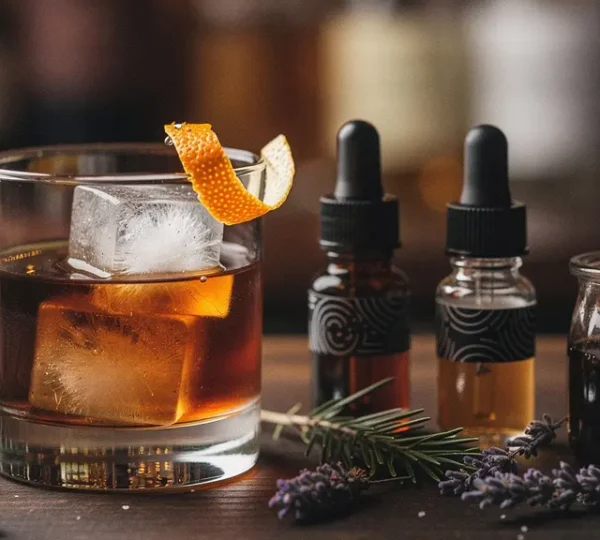
How to Riff on the Old Fashioned Template Using Local Syrups and Bitters?
In summary: Master the core formula (Spirit + Sweetener + Bitters + Aroma) before innovating. Use liquid sweeteners like maple or local syrups for better integration and unique, terroir-driven flavor. Extract potent citrus oils using an oleo saccharum for a…
Read more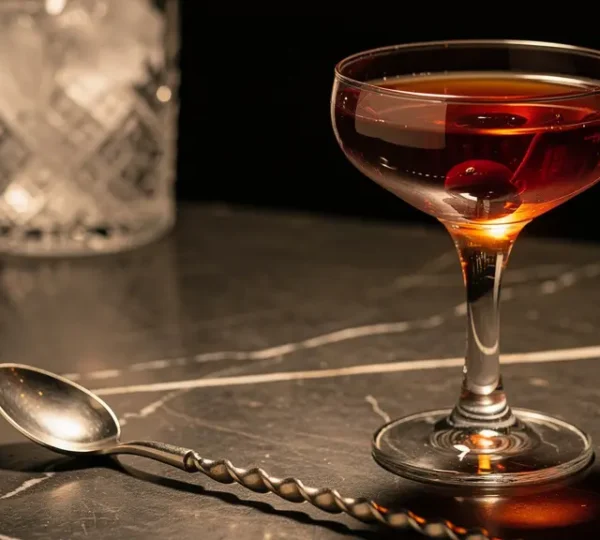
Why Shaking a Manhattan Is Considered a “Capital Crime” by Purists?
Shaking a Manhattan constitutes chemical and textural violence against the drink’s intended architecture. Aeration strips volatile top notes, flattening the aromatic profile permanently Micro-bubbles create opacity and a thin, aerated mouthfeel inappropriate for whiskey Controlled stirring achieves precise 15-20% dilution…
Read more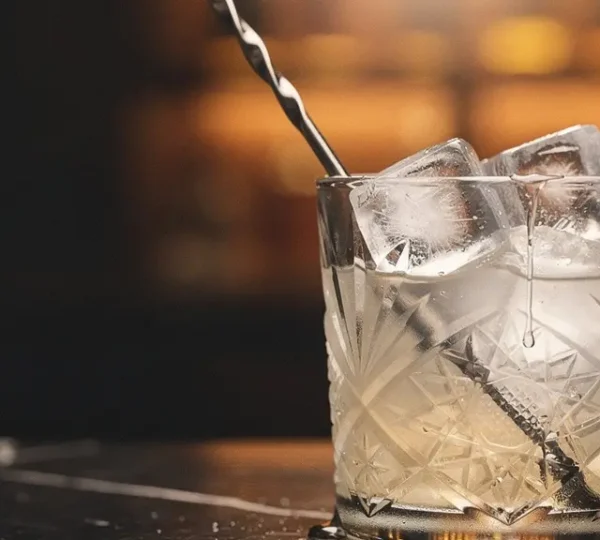
How to Calculate Dilution to Hit the Perfect ABV for a Martini?
Achieving perfect cocktail dilution is not a matter of timing or taste, but a predictable problem of physics governed by heat transfer and phase change. The vast majority of chilling comes from the energy required to melt ice (latent heat…
Read more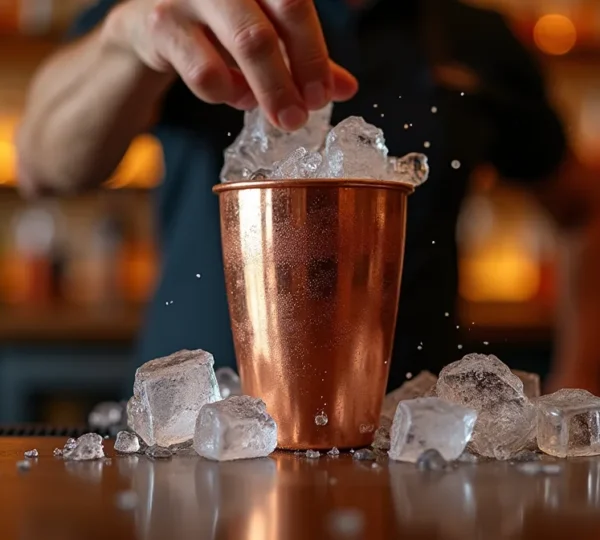
The Cocktail Equation: How to Use the Golden Ratio to Balance Any Drink Without a Recipe
The 2:1:1 “Golden Ratio” is not a fixed rule but the starting point for a dynamic flavor equation. True balance requires you to adjust for variables like citrus acidity (lime vs. lemon) and the final alcohol proof of your base…
Read more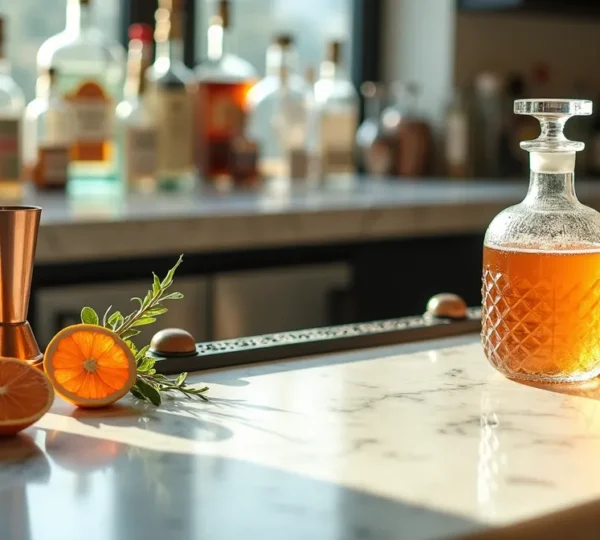
How to Move from Following Recipes to Creating Your Own Signature Cocktails?
True cocktail creation isn’t about random creativity; it’s a disciplined craft built on understanding flavor architecture and mastering core techniques. Success comes from using proven frameworks (like the “Core, Modifier, Accent” model) as a launchpad for innovation, not from memorizing…
Read more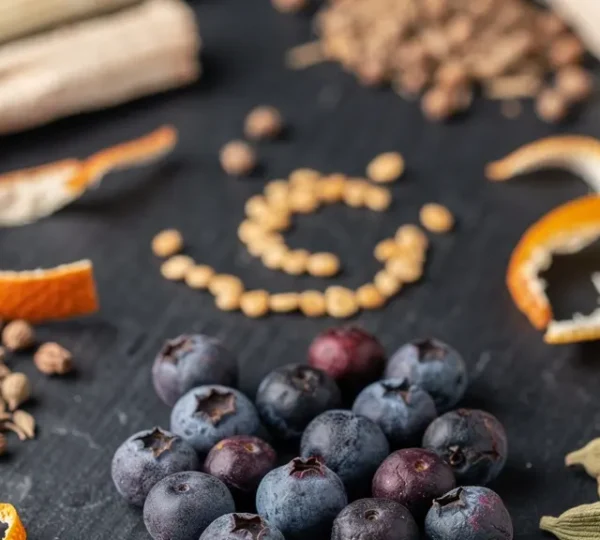
Beyond the Pine: How to Decode the Secret Botanicals in Your Gin
Identifying gin botanicals isn’t about having a ‘super-palate,’ but about understanding the distiller’s hidden choices. Distillation methods like vapor infusion (light/floral) vs. maceration (heavy/earthy) fundamentally change how botanicals taste. The gin’s internal “flavor architecture” (juniper-forward vs. citrus-forward) provides a roadmap…
Read more