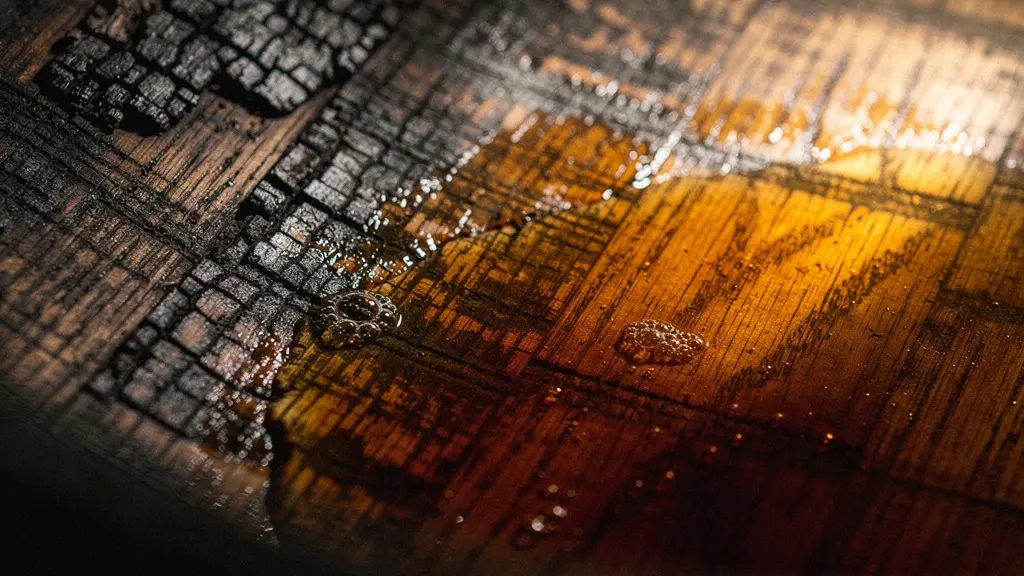
The “dryness” in a premium spirit is not a flavour, but the sensory fingerprint of its underlying tannic architecture, a textural quality entirely different from the ethanol burn.
- Unlike wine’s grape-derived tannins, a spirit’s tannins are extracted from oak, resulting in a less astringent but more structural “grip.”
- High-ABV alcohol acts as a powerful solvent, simultaneously extracting these structural tannins and the aromatic compounds that create flavour.
Recommendation: Learn to distinguish the drying, textural grip on the sides of your tongue from the heat of the alcohol in the centre; this is the key to identifying a well-matured, complex spirit.
For the wine enthusiast transitioning to the world of spirits, the term “dry” can be perplexing. In wine, it simply means a lack of sugar. In a whisky or aged rum, however, “dryness” describes a complex textural sensation—a subtle, mouth-puckering feeling that gives the finish structure and length. This is the world of tannins. But these are not the same aggressive tannins you might find in a young Cabernet Sauvignon. The experience is more refined, often described as a “grip” rather than a sharp astringency.
Many novice tasters confuse this tannic grip with the burn of alcohol, mistaking a sign of quality maturation for a flaw. The common advice is simply to wait for a spirit to age, assuming time alone tames all. Yet, this overlooks the intricate science at play. The real key lies not just in time, but in a sophisticated polyphenolic dialogue between the spirit and the wood. It’s about the type of oak, the strength of the alcohol, and the specific compounds being extracted.
But what if the secret to appreciating a premium spirit was not in tolerating its “dryness,” but in learning to deconstruct it? The truth is that this sensation is the very architectural blueprint of a superior finish. It is a deliberate and essential element that provides a counterpoint to sweetness, carries complex aromas, and signals an authentic, natural maturation process. Understanding this tannic architecture transforms the tasting experience from a simple evaluation of flavour to an appreciation of structure and texture.
This guide will deconstruct that sensation. We will explore the molecular differences between wine and spirit tannins, the role of alcohol as a chemical catalyst, and how to identify this structural grip on your own palate. By the end, you will not only understand what creates that defining dryness, but you will actively seek it out as a hallmark of quality.
Table of Contents: The Architectural Role of Tannins in Spirits
- Why Are Spirit Tannins Less Astringent Than Red Wine Tannins?
- How Does Alcohol Strength Break Down Lignin into Soluble Tannins?
- How to Use Tannic Dryness to Counteract High Sugar Content in Rums?
- The Tasting Error: Is It Ethanol Burn or Tannic Grip on Your Tongue?
- How to Select Casks High in Gallic Acid to Extend the Aftertaste?
- Why Higher ABV Spirits Carry More Non-Water Soluble Aromas?
- Why Does the Bitterness of Cocoa Cancel Out the Burn of Alcohol?
- Is the Vanilla Note in Your Spirit Natural or Artificially Enhanced?
Why Are Spirit Tannins Less Astringent Than Red Wine Tannins?
The first distinction a wine drinker must make is understanding that not all tannins are created equal. The aggressive astringency of a young, bold red wine comes from condensed tannins, which originate in the skins, seeds, and stems of grapes. These molecules are large and bind readily with proteins in your saliva, creating a pronounced drying and sometimes coarse sensation. Spirits, however, derive their tannins almost exclusively from the oak cask during maturation. These are known as hydrolyzable tannins, primarily ellagitannins and gallotannins.
These wood-derived tannins have a different molecular structure, which results in a more subtle and refined textural effect—the “grip” rather than a harsh astringency. The choice of wood is a critical factor in defining this texture. For instance, comprehensive whisky science data shows that nearly 95% of Scottish whisky matures in American white oak, which has a significantly lower tannin concentration than its European oak counterparts. This preference for American oak (Quercus alba) is a deliberate choice to achieve a smoother profile, allowing other flavours like vanilla and coconut to shine without being overwhelmed by tannic bitterness.
This is a foundational element of a spirit’s tannic architecture: the building blocks themselves are different. Instead of the rough, fuzzy feeling of grape tannins, oak tannins contribute a fine, drying sensation that builds slowly and provides structure to the finish. It’s a textural quality that adds complexity without dominating the palate.
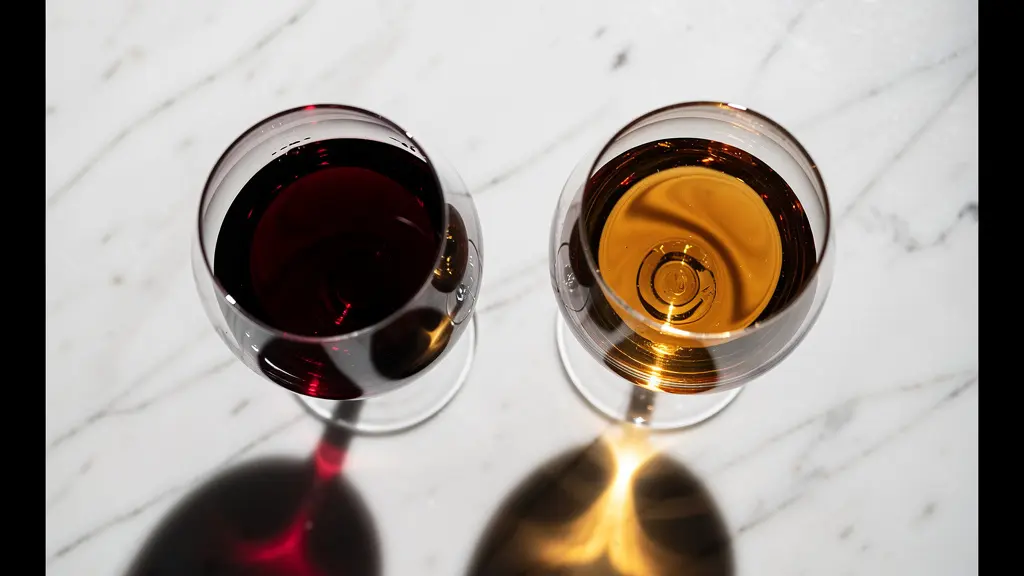
As you can see, the visual difference between the liquids hints at their distinct chemical compositions. The deep colour of red wine is often associated with its high content of condensed tannins, while the amber hue of an aged spirit is the result of a slower, more controlled extraction of compounds from the wood, including the more elegant hydrolyzable tannins.
How Does Alcohol Strength Break Down Lignin into Soluble Tannins?
A common misconception is that the high alcohol content of a new-make spirit aggressively “breaks down” the wood’s lignin to create tannins. The reality is more nuanced and chemically elegant. The high-proof spirit doesn’t primarily create tannins; it acts as a powerful solvent to extract existing ones and as a catalyst to transform other wood components into aromatic compounds. Lignin itself is the source of desirable flavours, not the tannins that create structure.
The process is twofold. First, the high-proof ethanol is exceptionally effective at dissolving and pulling the pre-existing ellagitannins from the hemicellulose structure of the toasted or charred oak. These are the molecules responsible for the desirable drying grip and structure in the final spirit. Water is far less effective at this task, which is why a low-ABV liquid would extract a very different profile from the same cask.
Second, the alcohol and its interaction with oxygen over time facilitate the breakdown of lignin—a complex polymer that helps give wood its rigidity—into simpler, aromatic aldehydes. The most famous of these is vanillin, which imparts vanilla notes. Other compounds like syringaldehyde (spicy, smoky notes) are also formed. As the Dr. Chemistry Research Team notes in their guide on barrel aging:
High-proof alcohol doesn’t break down lignin into tannins. Instead, it breaks down lignin into aromatic compounds (vanillin, syringaldehyde) and simultaneously acts as a solvent to extract existing tannins (ellagitannins) from the wood’s hemicellulose structure.
– Dr. Chemistry Research Team, The Chemistry of Whiskey Barrel Aging Guide
Therefore, a high ABV is crucial not for creating tannins, but for orchestrating a complex polyphenolic dialogue. It selectively extracts the structural tannins while simultaneously helping to generate the rich tapestry of flavours from lignin that will be supported by that very structure. The alcohol is not a hammer; it is a key, unlocking specific compounds from the wood in a delicate balance.
How to Use Tannic Dryness to Counteract High Sugar Content in Rums?
While often associated with whisky, the deliberate management of tannic grip is a vital tool for distillers of aged rum, especially those dealing with styles that possess a high residual sugar content. In a sweet rum, an unchecked sugary profile can feel one-dimensional and cloying. Tannic dryness provides a necessary textural counterpoint, creating balance, structure, and a more sophisticated palate. The goal is not to eliminate sweetness but to frame it, preventing it from overwhelming the other flavours.
This balance is achieved through strategic cask selection and management. A new, heavily charred barrel would impart too much aggressive tannin too quickly. Instead, master blenders use a variety of casks to dial in the perfect level of grip. For example, research on cask influence reveals that second and third-fill barrels show more perceptible tannins as the initial intense vanilla and sweet notes from the wood have diminished by 40-60%. This makes them ideal for lending pure structure without adding confounding sweetness.
Another technique is finishing the rum for a short period in casks that previously held drier liquids, such as certain red wines or sherries, to absorb a different type of tannic profile. The key is careful monitoring to ensure the dryness provides a pleasant counterpoint rather than creating an unpleasantly bitter or astringent finish. This precise balancing act is where the art of the master blender truly shines.
Your Action Plan: Strategic Cask Selection for Balancing Sweet Rums
- Choose first-fill bourbon barrels with high vanilla to mask initial tannin harshness.
- Consider finishing in red wine casks for additional grape tannins from residual liquid.
- Control finishing duration – use shorter periods (months) rather than full maturation.
- Monitor the dryness development to ensure it provides counterpoint without overwhelming sweetness.
- Test the balance between structural tannins and residual sugar at regular intervals.
The Tasting Error: Is It Ethanol Burn or Tannic Grip on Your Tongue?
One of the most common hurdles for those new to spirits is correctly identifying the sensations on the palate. Is that sharp, tingling feeling the dreaded “burn” of high-proof alcohol, or is it the sophisticated “grip” of well-integrated tannins? Differentiating between the two is the key to appreciating the structure and age of a spirit. They are distinct sensations that occur in different areas of the mouth and feel fundamentally different.
Ethanol burn is primarily a heat sensation, a chemical reaction that triggers the same trigeminal nerve receptors that respond to spicy food or high temperatures. It is often felt most intensely on the tip and center of the tongue and can have a sharp, prickly, or hot character. While a small amount of warmth can be pleasant, an aggressive, uncontrolled burn is often a sign of a young or poorly made spirit where the alcohol has not yet integrated with other compounds.
Tannic grip, on the other hand, is almost purely a textural and physical sensation. It is not about heat. It manifests as a fine, drying feeling, much like the effect of strong black tea. You’ll typically notice it along the sides of your tongue and on the inside of your cheeks. It feels as if the moisture is being wicked away, creating a very fine, almost velvety or sandpaper-like texture. This is the result of tannins binding with the proteins in your saliva. This grip gives the spirit a pleasant weight and leads into a long, evolving finish.
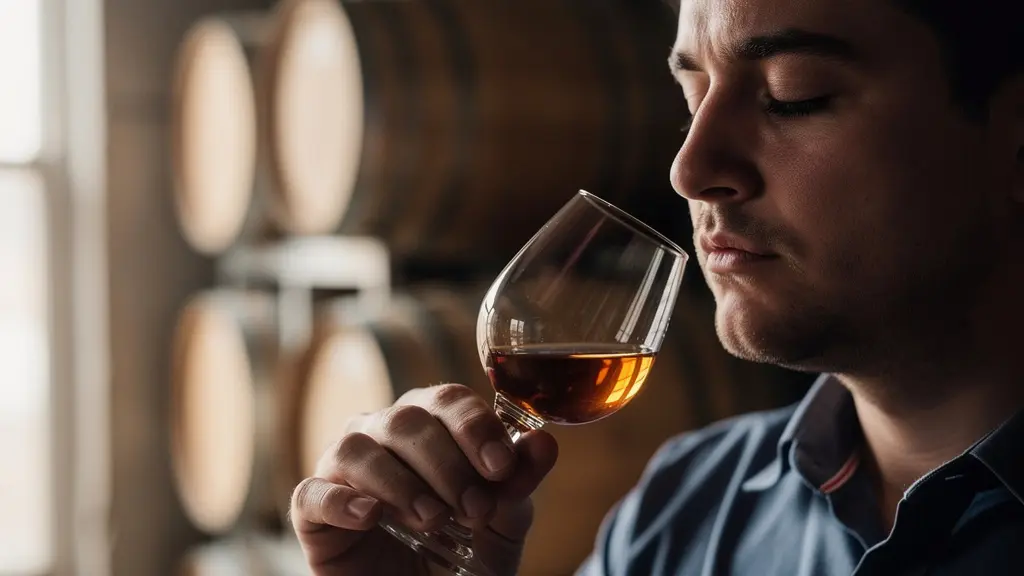
Next time you taste, pay close attention. Focus on the location and the quality of the sensation. Is it a hot prickle in the middle of your tongue (burn), or a structural, drying sensation on the sides (grip)? Recognizing this difference will fundamentally change your perception, allowing you to identify the tannic architecture that signals a well-crafted, mature spirit.
How to Select Casks High in Gallic Acid to Extend the Aftertaste?
The length and complexity of a spirit’s finish are not accidental; they are directly linked to the specific types of tannins extracted from the oak. While many compounds contribute, a key to achieving a long, satisfying aftertaste lies in maximizing the extraction of a specific class of ellagitannins derived from gallic acid. These particular molecules are prized for their ability to provide a persistent, pleasant structure without introducing harsh bitterness. The selection of casks, therefore, becomes a targeted chemical endeavor.
The first factor is the oak species. French Oak (Quercus robur and Quercus petraea) is renowned for containing significantly higher concentrations of these desirable ellagitannins compared to its American counterpart. As winemakers have known for centuries, spirits aged in French oak often exhibit a more structured, spicier, and longer finish precisely because of this difference in wood chemistry. These casks are often more expensive, but they are chosen specifically for the elegant and persistent tannic architecture they impart.
However, the species is only half the story. The way the wood is prepared before being made into a barrel is equally critical. Scientific analysis of oak preparation shows that 24-36 months of air-seasoning increases desirable ellagitannin availability by 75% compared to the faster, more industrial method of kiln-drying. This slow, natural seasoning process allows rain and microbes to break down some of the harsher wood compounds, making the more desirable, gallic-acid-derived tannins more accessible for extraction by the spirit. A distiller seeking a long finish is therefore not just buying a barrel, but a specific chemical profile delivered by a particular species of oak that has been seasoned in a very particular way.
Why Higher ABV Spirits Carry More Non-Water Soluble Aromas?
The decision to fill a barrel with high-proof spirit (often 60-70% ABV) is fundamental to creating a complex and aromatic final product. The reason lies in basic chemistry: alcohol is an excellent non-polar solvent. While water is great at dissolving sugars and salts, ethanol excels at dissolving oils, esters, and other organic compounds that are not soluble in water. These non-water-soluble compounds are precisely where the most desirable and complex aromas are found.
These aromas include key components like lactones, which are responsible for the creamy, coconut, or woody notes, and vanillin, the primary source of vanilla flavour. These molecules are locked within the oak’s structure, and a low-ABV solvent like wine would be far less effective at extracting them. A high-ABV spirit, however, acts like a chemical magnet, pulling these aromatic treasures from the wood and holding them in suspension.
Crucially, this process is inseparable from the extraction of tannins. The very same solvent properties that make high-ABV alcohol so effective at capturing flavour are what make it effective at extracting the structural tannins. As the technical team at Wanderback Whiskey aptly puts it:
The same high-ABV solvent that is effective at pulling non-water-soluble aromas (e.g., lactones, vanillin) from the wood is also what extracts the tannins. You can’t have one without the other.
– Wanderback Whiskey Technical Team, The Science of Barrel Aging Whiskey
This creates a beautiful synergy. The high alcohol content pulls out a rich spectrum of aromas, and at the same time, it pulls out the tannic structure required to support and carry those aromas through a long, complex finish. You cannot have a deeply aromatic spirit without also having the tannic architecture to give it shape. The two are extracted together, and they work together on the palate.
Why Does the Bitterness of Cocoa Cancel Out the Burn of Alcohol?
Pairing a high-proof spirit with a piece of high-quality dark chocolate is a classic and effective way to tame alcohol burn, but the reason it works goes beyond simple flavour matching. The magic lies in a combination of sensory distraction and physical interaction on the tongue. The intense bitterness and rich fats of the cocoa effectively run interference, cancelling out the sharp sensation of ethanol.
First, there is the principle of sensory competition. The trigeminal nerve, which registers the “hot” sensation of alcohol, also registers other intense feelings like the bitterness of the theobromine in cocoa. When you introduce the powerful, complex bitterness of dark chocolate, you are essentially giving your brain a new, more interesting signal to process. This powerful bitter note competes for your brain’s attention, diminishing the perception of the alcohol’s sharp, one-dimensional burn.
Second, there is a physical component. The cocoa butter in the chocolate is a fat that coats the tongue and palate. This fine, waxy layer creates a physical barrier between the ethanol and the sensitive receptors in your mouth. The alcohol can no longer make direct contact as effectively, muting its aggressive heat and allowing you to perceive the spirit’s more subtle, underlying flavours. This coating effect also enhances the perception of the spirit’s texture, making its own tannic grip feel richer and more integrated.
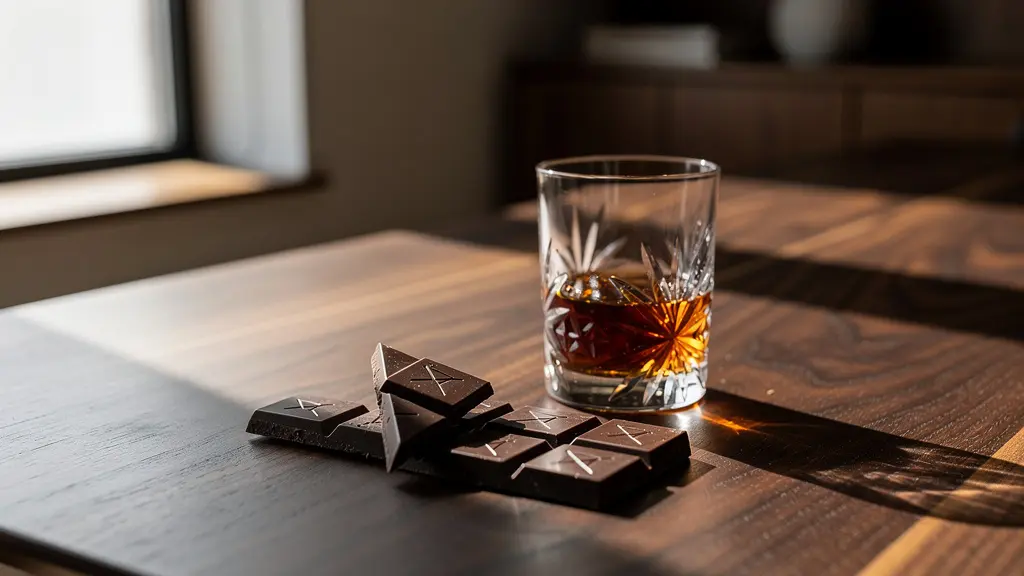
This pairing is a perfect example of using a textural counterpoint. The bitterness and fat of the chocolate don’t just mask the alcohol; they interact with it, creating a new, more harmonious sensory experience. It’s a practical demonstration of how a spirit’s perceived harshness can be reshaped by introducing complementary textures and intense, competing flavours.
Key Takeaways
- The “dryness” in spirits is a textural “grip” from oak tannins, not a flavour or a lack of sugar.
- High-ABV alcohol is a solvent that extracts both aromatic compounds (like vanillin) and structural tannins; you cannot get one without the other.
- True tannic grip is a drying sensation felt on the sides of the tongue, distinct from the hot “burn” of ethanol felt in the center.
Is the Vanilla Note in Your Spirit Natural or Artificially Enhanced?
In the world of spirits, a prominent vanilla note is often a prized characteristic, but its origin can tell you everything about the quality and authenticity of the product. Natural vanilla flavour in a spirit like whisky or aged rum is not an addition; it is a creation. It is born from the slow, magical breakdown of lignin in the oak cask into the aromatic compound vanillin. Barrel chemistry research confirms that up to 70% of a whiskey’s final flavors, including vanillin, come directly from this interaction during aging.
This natural process is intrinsically linked to the development of the spirit’s entire structure. As we’ve seen, the same high-proof alcohol that coaxes vanillin from lignin is also pulling tannins from the wood’s hemicellulose. The result is that a naturally occurring vanilla note will always be accompanied by a corresponding level of tannic architecture. You will feel its presence as a subtle, drying grip on the palate—the signature of real barrel aging.
This provides a powerful tool for the educated taster. If you encounter a spirit that screams “vanilla” on the nose and palate but feels thin, slick, or devoid of any textural complexity or tannic grip in the finish, you should be skeptical. The presence of an overwhelming, one-dimensional vanilla flavour without the supporting tannic structure is a significant red flag. It strongly suggests the use of artificial vanilla flavouring or additives, which can deliver the aroma but cannot replicate the complex mouthfeel and structure built over years in a cask.
Ultimately, the tannic grip is a mark of authenticity. It is the sensory proof that the flavours you are tasting were earned, not added. When you taste a rich vanilla note in perfect harmony with a complex, drying finish, you are not just tasting a flavour; you are tasting the beautifully integrated result of time, wood, and chemistry—the very soul of a well-matured spirit.
Now that you can identify the structural signature of authentic maturation, the next logical step is to apply this knowledge. Evaluate a spirit you know well and actively search for the distinction between alcohol heat and tannic grip to deepen your appreciation of its craftsmanship.