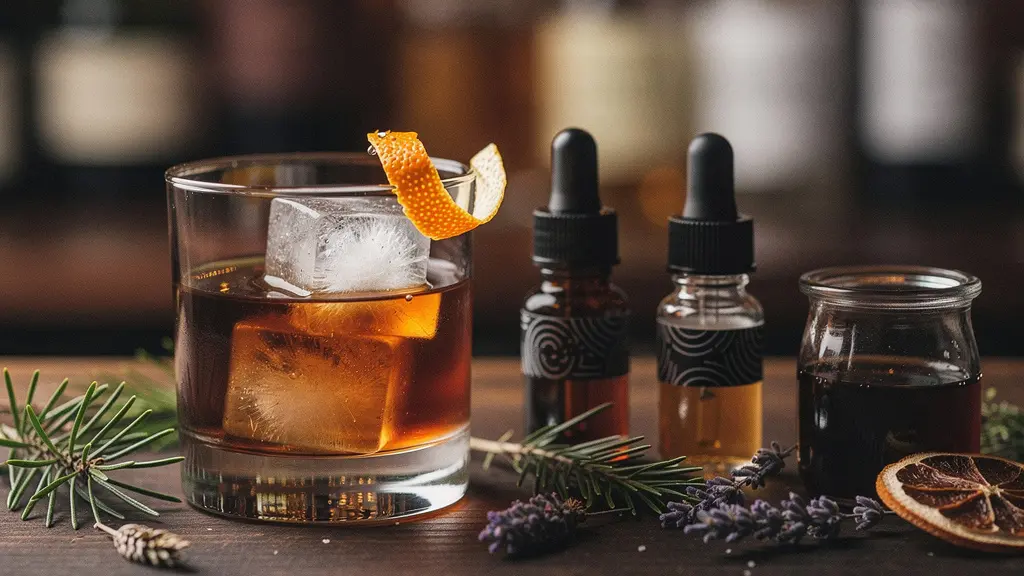
In summary:
- Master the core formula (Spirit + Sweetener + Bitters + Aroma) before innovating.
- Use liquid sweeteners like maple or local syrups for better integration and unique, terroir-driven flavor.
- Extract potent citrus oils using an oleo saccharum for a brighter, more complex aromatic base.
- Treat bitters as your “spice rack,” choosing them to either complement or contrast your base spirit’s character.
- Innovate by changing only one variable at a time to maintain the drink’s structural integrity and understand its impact.
The Old Fashioned is more than a cocktail; it’s a ritual. The weight of the glass, the scent of citrus oils, the slow dilution of the ice—it’s a timeless comfort. Most advice on improving it revolves around familiar suggestions: use a better bourbon, try demerara sugar, or switch to orange bitters. While sound, this advice misses the true spirit of the drink. The Old Fashioned was born from a simple, elegant formula: spirit, sugar, water, and bitters. This template is not a rigid set of rules but a canvas for creativity.
But what if the secret to a truly memorable Old Fashioned wasn’t just in swapping one commercial product for another, but in looking to the landscape around you? What if the key was to think like a forager, transforming the cocktail from a mere recipe into a story of place? This is where the concept of a terroir-driven formula comes into play. Instead of just making *an* Old Fashioned, you can create *your* Old Fashioned, one that speaks to your local environment, from forest-tapped syrups to garden-infused bitters.
This guide will deconstruct the drink’s core pillars—sweetener, aroma, bitterness, and the base spirit itself—to empower you to move beyond simply following recipes. We will explore how to build a superior flavor architecture, understand the dialogue between your ingredients, and finally, develop the creative workflow to invent signature cocktails that are uniquely and consistently your own. It’s time to stop mixing and start creating.
For a visual guide on mastering the classic construction before you start riffing, the following video offers a step-by-step demonstration of the fundamental Old Fashioned technique.
To guide you on this creative journey, we have structured this article to break down each component of the Old Fashioned. The following summary outlines how we will explore each element, from the foundational choice of sweetener to the advanced principles of creating your own signature drinks.
Summary: A Forager’s Path to the Perfect Old Fashioned
- Why Maple Syrup Mixes Better with Bourbon Than Granulated Sugar?
- How to Extract Citrus Oils to Create a Potent Base for Your Old Fashioned?
- Angostura or Orange: Which Bitters Highlight the Oak Notes Best?
- The Muddled Fruit Error: Why Modern Bartenders Stopped Mashing Cherries?
- When Is the Old Fashioned the Wrong Choice for a Pre-Dinner Drink?
- Rum Old Fashioned vs Whiskey Old Fashioned: Which Fits Your Dessert Course?
- How to Adjust Your Recipe When Switching from 1:How Does Copper Contact During Distillation Remove Sulfurs and Refine Flavor?
- How to Move from Following Recipes to Creating Your Own Signature Cocktails?
Why Maple Syrup Mixes Better with Bourbon Than Granulated Sugar?
The first step in building your Old Fashioned is the sweetener, and the choice between solid and liquid sugar is about more than convenience—it’s about chemistry and flavor. Granulated sugar, especially coarse crystals, struggles to dissolve in cold spirits. This leads to a gritty texture and an inconsistent, cloyingly sweet sip at the bottom of the glass. The solution isn’t just to make a simple syrup; it’s to choose a syrup that brings its own character to the dialogue.
Maple syrup is an exceptional partner for bourbon and rye. Unlike sugar cubes, it integrates instantly and seamlessly. This is because it is already a solution; in fact, US Grade A maple syrup is specified as having “not more than 68.9 percent solids content by weight (Brix)”, meaning over 30% of it is water, which aids dilution. More importantly, its flavor profile of vanilla, caramel, and subtle woodsmoke creates a natural harmony with the oak-aged notes of American whiskey. This isn’t just sweetening; it’s flavor bridging—connecting the spirit’s profile with a complementary element.
This principle extends to any local syrup. Birch syrup offers a spicier, more mineral-driven note, while a foraged pine needle syrup can introduce a resinous, bright complexity. The goal is to find a sweetener that doesn’t just add sugar, but contributes to the cocktail’s overall terroir and sensory map.
Case Study: The Peach and Maple Old Fashioned
A modern riff published in The Guardian showcases how maple syrup serves as a superior base. The recipe infuses bourbon, maple syrup, and bitters with peach tea overnight. Here, the maple syrup acts as a stable, pre-dissolved sweetener that easily melds with the infused tea and bourbon, creating a complex, layered cocktail that would be impossible to achieve with granulated sugar. It’s a perfect example of using a flavorful syrup to build extra dimension while honoring the Old Fashioned’s core structure.
How to Extract Citrus Oils to Create a Potent Base for Your Old Fashioned?
While the sweetener builds the body, the soul of an Old Fashioned’s aroma comes from citrus oils. A quick twist of peel over the glass is standard practice, but to elevate your cocktail from good to unforgettable, you need to capture those oils in their most potent form. The most effective technique for this is creating an oleo saccharum (Latin for “oil-sugar”). This classic method involves macerating citrus peels in sugar to pull out the essential oils, creating a intensely fragrant, complex syrup.
This process transforms your sweetener from a one-dimensional ingredient into a vibrant aromatic base. The resulting oleo saccharum is far superior to simply adding juice, which introduces unwanted acidity and dilution, or muddling peels, which can release bitterness from the white pith. It captures the pure, bright essence of the fruit’s zest, providing a powerful aromatic lift that complements the deep notes of the whiskey. You are not just adding a flavor; you are building the primary layer of the drink’s aromatic architecture.
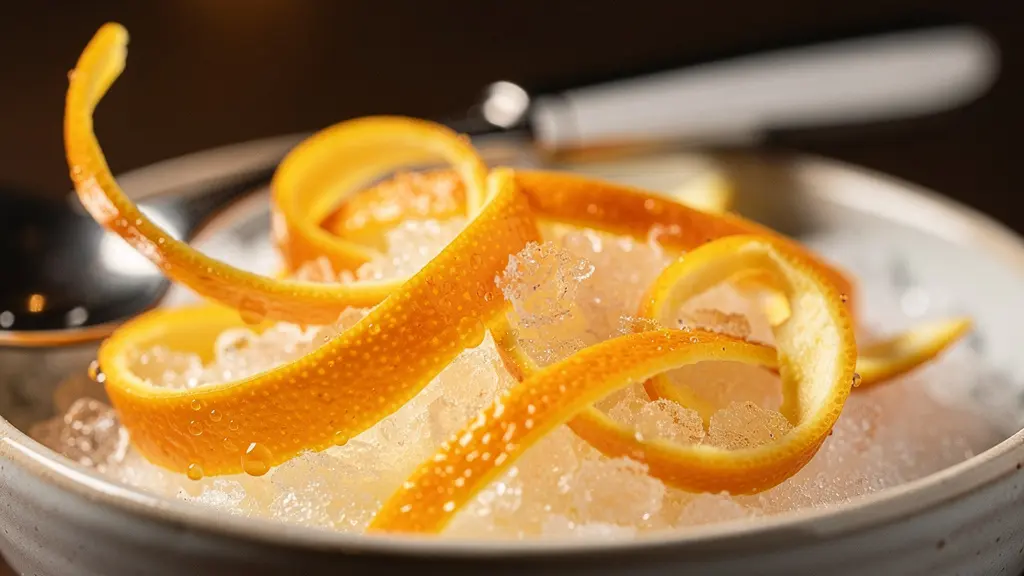
As the image above shows, the magic happens at a micro-level, where the sugar acts as an abrasive and a solvent, drawing the glistening oil droplets from the peel. This oil-sugar can then be used directly or dissolved with a touch of water to form a pourable syrup. For home bartenders, a practical storage guideline many bartenders use is a “one-week shelf-life rule” for refrigerated oleo saccharum, ensuring it remains fresh and vibrant.
Your Roadmap: Making Oleo Saccharum
- Peel citrus to collect zest/flavedo only (avoid bitter white pith).
- Combine peels with sugar in a nonreactive container so sugar is in full contact with the peels.
- Let macerate for at least 1 hour (overnight for higher yield), occasionally pressing the peels to help release the oil.
- Optionally, vacuum-seal the peels and sugar to speed up extraction and maintain constant contact.
- Strain out the peels and use the resulting aromatic citrus-oil sweetener as your Old Fashioned’s sugar component.
Angostura or Orange: Which Bitters Highlight the Oak Notes Best?
If the spirit is the heart and the sweetener is the body, then bitters are the cocktail’s spice rack. They are the essential seasoning that adds depth, complexity, and balance, preventing the drink from being merely sweet and boozy. The choice between the two classic options—Angostura (aromatic) and orange bitters—isn’t about right or wrong; it’s about understanding their role in the drink’s flavor architecture.
Angostura bitters act as the bass note. Their profile is warm, spicy, and complex, with notes of gentian, cinnamon, and clove. When paired with a bourbon or a robust rye, Angostura reinforces the spirit’s inherent spiciness and the barrel’s deep, caramelized wood character. It amplifies the oak notes, adding a layer of dark, resonant complexity. Think of it as adding depth and shadow.
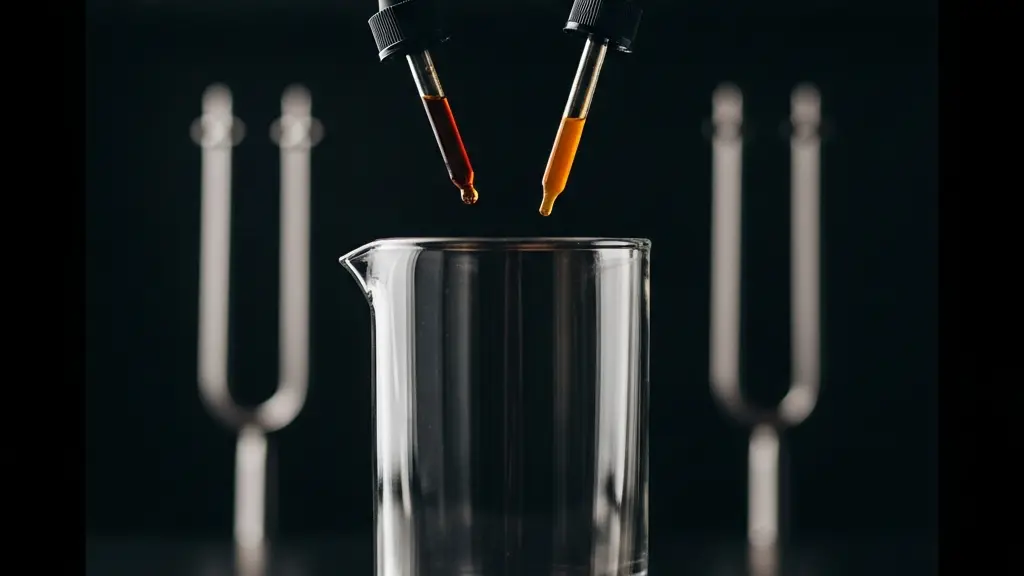
Orange bitters, in contrast, are the treble note. They are brighter, more floral, and focused on a single, sharp citrus aroma. Instead of reinforcing the oak, orange bitters create a contrast. They lift the cocktail, highlighting the lighter, fruitier esters in the whiskey and complementing the expressed orange peel garnish. This choice pulls the drink in a fresher, more vibrant direction. The real creativity begins when you use bitters from your own terroir—dandelion, cardamom, or even pine—to tell a unique local story.
The Muddled Fruit Error: Why Modern Bartenders Stopped Mashing Cherries?
Few things are as divisive in the Old Fashioned world as the muddled fruit salad. The image of a bartender smashing a bright red maraschino cherry and an orange slice at the bottom of a glass is a persistent one, particularly in American bars. However, this practice is largely a relic of the past, a post-Prohibition deviation from the cocktail’s original, elegant form. For historical context, the template is incredibly old; Campari Academy notes the Old Fashioned’s first mention in 1798, long before neon-red cherries existed.
Modern craft bartenders have overwhelmingly moved away from this practice for several key reasons. First, muddling fruit creates a cloudy, messy drink filled with pulp and debris, ruining the clean, spirit-forward aesthetic. Second, it throws the drink’s balance completely off. The sticky syrup from the cherry and the excess acidic juice from the orange overpower the nuanced flavors of the whiskey, turning a sophisticated sipper into a sweet, fruity concoction. The goal of an Old Fashioned is to compliment the spirit, not to mask it.
The contemporary approach, which is actually a return to the original, focuses on purity. The sweetness comes from a well-integrated syrup, and the aroma comes from the expressed oils of a citrus peel, which is used as a garnish. The cherry, if used at all, should be a high-quality, dark cherry (like a Luxardo or Amarena) dropped in at the end as a garnish, not mashed into oblivion.
“No muddled fruit. Period.”
– Bartender on Reddit, summarizing the modern consensus
When Is the Old Fashioned the Wrong Choice for a Pre-Dinner Drink?
A great cocktail is not just about the ingredients; it’s about the moment. While an Old Fashioned is a masterpiece of balance and flavor, its rich, spirit-forward profile makes it a specific tool for a specific job. Its role is typically that of a digestif—a drink to be savored slowly, often after a meal, to help settle the stomach and wind down the evening. Choosing it as an aperitif, or a pre-dinner drink, is often a strategic mistake.
An aperitif is designed to awaken the palate and stimulate the appetite. These drinks are typically lighter, brighter, and often have a bitter or effervescent quality. Think of a spritz, a gin and tonic, or a dry vermouth. They cleanse the palate and prepare it for the flavors of the meal to come. An Old Fashioned does the opposite. Its robust whiskey base, sweetness, and warming spices can coat the palate and dull the senses, making it harder to appreciate the delicate flavors of an appetizer or a main course. It’s the equivalent of having dessert before dinner.
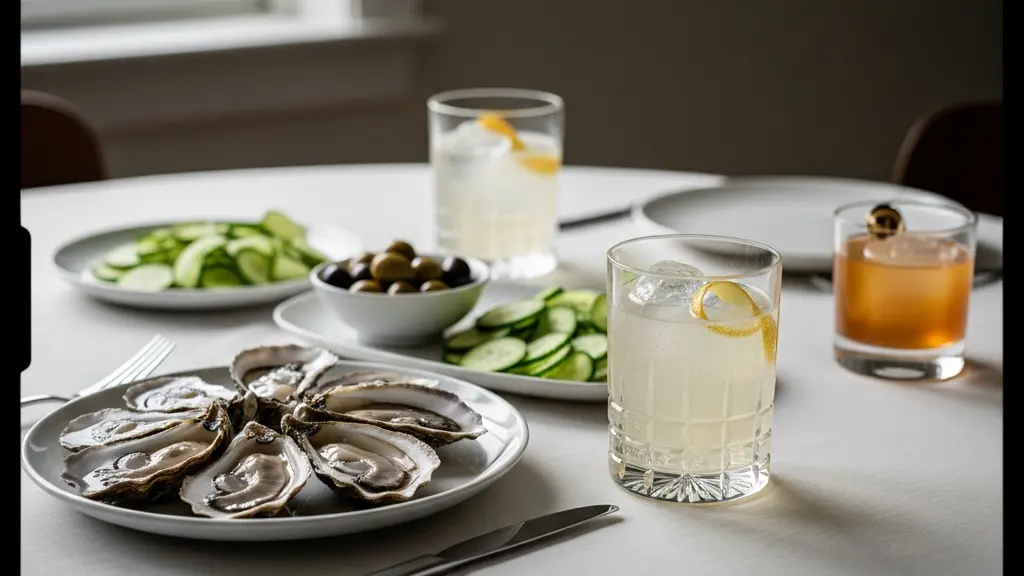
Knowing when *not* to serve a particular drink is as important as knowing how to make it. Reserving the Old Fashioned for its proper moment—as a contemplative sipper during a conversation, by a fire, or after a satisfying meal—shows a deeper understanding of cocktail culture and ensures that both the drink and the dining experience are enjoyed to their fullest.
Rum Old Fashioned vs Whiskey Old Fashioned: Which Fits Your Dessert Course?
Once you embrace the Old Fashioned as a template (spirit + sweetener + bitters), an entire world of possibilities opens up, especially when it comes to dessert pairings. While whiskey is the traditional base, aged rum offers a compelling alternative that can create a more harmonious connection with sweet courses. The choice between the two depends entirely on the flavor profile of your dessert.
A classic Whiskey Old Fashioned, particularly one made with rye, has spicy, peppery, and grain-forward notes. This profile pairs beautifully with desserts that have a nutty, savory, or baked-grain character, such as pecan pie, apple crumble, or a cheese course with spiced nuts. A bourbon-based Old Fashioned, with its sweeter notes of vanilla and caramel, is a natural match for crème brûlée or bread pudding.
A Rum Old Fashioned, however, shines with a different set of flavors. Aged rums often carry inherent notes of molasses, brown sugar, vanilla, and tropical fruits like banana or pineapple. This makes them a perfect partner for fruit-based tarts, caramel-drizzled desserts, or anything with chocolate. As a case in point, Bon Appétit’s recipe for a Rum Old Fashioned uses a banana-infused rum, explicitly framing the drink as a dessert-friendly variation that fits the classic template. For an even more decadent pairing, you can build a Chocolate Rum Old Fashioned using an aged Jamaican rum, rich sugar syrup, and a combination of orange and chocolate bitters to specifically echo the notes in a chocolate lava cake or a dark chocolate torte.
How to Adjust Your Recipe When Switching from 1:How Does Copper Contact During Distillation Remove Sulfurs and Refine Flavor?
Moving into the realm of true cocktail artistry requires looking beyond the bottle’s label and understanding the spirit’s soul: its production process. A key, often overlooked, factor in a spirit’s final flavor profile is the amount of copper it comes into contact with during distillation. This isn’t just a technical detail; it’s a critical piece of information for the creative bartender, as it directly impacts how you should adjust your recipe.
During fermentation, yeast can produce undesirable sulfur compounds, which can give a spirit harsh, metallic, or “off” flavors. Copper is a reactive metal that acts as a catalyst, binding with these sulfur compounds and effectively removing them from the vapor before it condenses back into liquid. As the technical notes from Annandale Distillery explain, copper’s role in managing sulfur compounds is multifaceted and crucial for refining flavor. A spirit made in a tall column still with lots of copper plates will be cleaner, lighter, and smoother. A spirit from a traditional pot still with less copper contact might retain more of these heavy, funky, and character-rich compounds (known as congeners).
So how do you use this knowledge? When you’re riffing, think of this as another “volume knob.” * For a high-copper-contact spirit (like many modern bourbons or vodkas): The spirit is a clean canvas. You have more freedom to add complex, flavored syrups and assertive bitters, as the spirit won’t fight back with its own funk. * For a low-copper-contact spirit (like some Jamaican rums or traditional mezcals): The spirit brings a ton of its own character. Your job is to complement, not overwhelm it. Use a cleaner sweetener (like a simple demerara syrup) and bitters that echo or provide a crisp contrast to its inherent funky, fruity, or earthy notes.
Key takeaways
- The Old Fashioned is best understood as a flexible formula (2 oz spirit, 1 bar spoon sweetener, 2 dashes bitters), not a rigid recipe.
- Liquid sweeteners like maple or foraged syrups integrate better than granulated sugar and add unique layers of flavor, connecting the drink to a specific terroir.
- The most successful and repeatable riffs come from changing only one element at a time to clearly understand its impact on the cocktail’s balance.
How to Move from Following Recipes to Creating Your Own Signature Cocktails?
The journey from a home mixologist to a true cocktail creator is about shifting your mindset. It’s the move from simply following instructions to understanding the underlying structure of a drink so you can rebuild it in your own image. The most effective way to do this is by adopting what legendary bartender Phil Ward called the “Mr. Potato Head” theory of cocktail making. It’s a simple but profoundly powerful framework for structured creativity.
The concept is to view any classic cocktail not as a fixed recipe, but as a template with interchangeable parts. An Old Fashioned has three core components: the base spirit, the sweetener, and the bitters. The Mr. Potato Head method involves keeping the core structure intact while swapping out just one component at a time with a comparable ingredient. For example, keep the bourbon and Angostura, but swap the simple syrup for your local maple syrup. Taste it. Then, put the simple syrup back and swap the Angostura for homemade lavender bitters. Taste again. This disciplined process of controlled substitution allows you to isolate the impact of each ingredient and learn how different elements “talk” to each other.
“That’s pretty much my theory on making cocktails, it’s Mr. Potato Head.”
– Phil Ward, as attributed by Steve the Bartender
By changing one variable at a time, you avoid creating an unbalanced mess and instead build a mental “sensory map” of flavors. This methodical approach removes the guesswork and turns creativity from a random accident into a repeatable skill. It’s how you develop a signature drink that isn’t just a one-off success, but a well-understood and perfectly balanced creation you can replicate and refine over time.
Your Action Plan: The Signature Old Fashioned Workflow
- Lock the Core Template: Start with the foundational formula: spirit + sweetener + bitters (plus citrus oils for aroma). This is your control.
- Isolate One Variable: Pick ONE element to change first. For instance, swap your standard sweetener for a local syrup but keep the base spirit and bitters constant.
- Adjust Intensity: Taste the new combination. Before changing anything else, adjust only the intensity—the amount of syrup or the number of bitters dashes—until it feels balanced.
- Repeat with Another Variable: Once the sweetener is dialed in, fix it and begin experimenting with the next element, like bitters. Test aromatic vs. orange vs. a regional botanical bitter.
- Document Your Winners: Write down the exact measurements of your best builds. A signature cocktail is repeatable, not accidental.
Now that you have the framework and the philosophy, the next step is to put it into practice. Go to a local market, find a unique syrup or a regional botanical, and start your first terroir-driven Old Fashioned experiment.