Pairings & Recipes
The art of pairing spirits with food extends far beyond simply choosing a drink to accompany dinner. It represents a sophisticated interplay between flavor chemistry, sensory perception, and culinary technique that can elevate both the spirit and the dish to heights neither could achieve alone. While wine has long dominated the conversation around beverage pairing, spirits offer unique advantages: concentrated flavors, diverse production methods, and chemical profiles that create remarkable synergies with everything from delicate seafood to rich chocolate desserts.
Understanding how to match spirits with food requires knowledge that spans multiple disciplines. You’ll need to grasp the basic chemistry behind flavor compounds, recognize how temperature and serving vessels affect perception, and master the fundamental principles that govern why certain combinations succeed while others fail spectacularly. Whether you’re planning an elegant multi-course dinner, cooking with spirits as ingredients, or simply seeking the perfect nightcap with dessert, the principles outlined here will provide a comprehensive foundation for making informed, delicious decisions.
Understanding Flavor Profiles in Spirits
Before attempting any pairing, you must first decode the flavor language of spirits themselves. Aged spirits develop complex profiles through multiple pathways, with fruity esters forming during fermentation and maturation as a chemical reaction between alcohols and acids. These compounds create notes ranging from light orchard fruits like apple and pear to deeper stone fruits such as apricot and cherry, each requiring different pairing approaches.
Savory and salty elements in spirits often emerge from cask influence, regional water sources, or production techniques. Some whiskies exhibit a distinctly saline quality, particularly those from coastal distilleries where sea spray influences maturation. This salinity creates natural bridges to seafood and can form surprising synergies with chocolate when properly balanced. The interplay between salt and smoke represents another critical dimension—these flavors can either complement each other or compete for dominance, depending on their relative intensities.
Temperature profoundly affects how these flavors express themselves. Serving a fruit-forward spirit too cold will mute delicate esters, while excessive warmth can make alcohol vapors overpower subtle notes. Most aged spirits reveal their optimal flavor complexity between 60-68°F, though experimentation within this range helps you identify the sweet spot for specific bottles and pairing contexts.
The Science of Flavor Bridges and Pairing Logic
Successful pairings rely on creating flavor bridges—shared chemical compounds or complementary sensory experiences between the spirit and food. The concept of molecular similarity explains why certain combinations feel inherently harmonious: when food and drink share aromatic compounds, they reinforce each other’s flavors rather than competing. A peated whisky and smoked salmon both contain phenolic compounds that create resonance on the palate.
However, effective pairing isn’t limited to similarity. The contrasting versus complementing debate centers on whether to match flavors directly or provide counterbalance. Complementing works when you want seamless integration—pairing a vanilla-rich bourbon with a crème brûlée, for instance. Contrasting creates dynamic tension and cleansing effects, such as pairing a high-proof rye with fatty cured meats, where the alcohol cuts through richness while spices elevate the savory elements.
Understanding this framework requires practice and attention to several factors:
- Intensity matching: Delicate spirits pair with subtle foods; bold spirits need robust flavors
- Texture interaction: How alcohol affects the mouthfeel of fats, proteins, and sugars
- Aromatic layering: Ensuring complementary aromatics don’t overwhelm each other
- Finish coordination: Considering how aftertastes interact and evolve together
Classic Spirit and Food Combinations
Pairing Chocolate with Aged Spirits
The relationship between chocolate and aged spirits revolves around the bitterness-tannin bridge. Both dark chocolate and oak-aged spirits contain tannins that create a foundation for pairing, but success depends heavily on balancing cocoa percentage with spirit character. Milk chocolate, despite its popularity, presents risks because its sweetness and dairy content can mask delicate spirit notes and create cloying combinations.
Optimal pairings typically occur in the 65-75% cocoa range, where chocolate provides enough bitterness and complexity to stand up to spirits without overwhelming them. Single-origin chocolates offer additional pairing opportunities by introducing regional flavor characteristics—fruity African cacaos complement fruit-forward rums, while earthy South American varieties harmonize with smoky mezcals. The tasting technique matters too: allow chocolate to melt slightly on your palate before introducing the spirit, creating a gradual layering rather than immediate collision.
Selecting Cheeses That Complement Spirit Profiles
The fat-alcohol interaction forms the cornerstone of cheese and spirit pairing. Alcohol acts as a solvent for fat, creating a cleansing effect that prevents richness from overwhelming your palate. This explains why high-proof spirits work exceptionally well with aged cheeses, cutting through concentrated flavors and creamy textures.
Regional pairings often prove successful because they’ve evolved together culturally. Scottish whiskies naturally complement local cheddars, while French calvados harmonizes with Normandy’s soft-ripened cheeses. The hard cheese versus soft cheese distinction affects pairing strategies significantly—firm aged cheeses concentrate flavors and benefit from equally assertive spirits, while soft cheeses require gentler spirits to avoid overpowering their delicate nuances. Avoid cheeses with spicy or heavily herbed rinds when showcasing premium spirits, as these aggressive flavors compete rather than complement.
Pairing Savory Cured Meats with Spirits
Cured meats create exceptional opportunities for spirit pairing through salt-smoke resonance. The preservation process concentrates umami flavors and develops complex aromatic compounds that echo those found in aged spirits. Slicing technique impacts pairing success—thinner slices present more surface area and integrate better with spirits, while thicker cuts emphasize texture but can overpower.
Different cured meat styles demand different approaches. Chorizo, with its paprika heat and garlic presence, requires careful pairing to avoid spice escalation where heat compounds create uncomfortable burning sensations. Saucisson sec, being more subtly seasoned, offers versatility across spirit styles. The risk of garlic overload is real with heavily seasoned meats—garlic’s sulfurous compounds can clash with certain spirit congeners. Optimizing fat temperature by allowing meats to reach room temperature ensures fats coat your palate properly, creating the optimal canvas for spirit appreciation.
Integrating Spirits into Multi-Course Dining
Elevating the dining experience through spirit integration requires strategic thinking about course structure and intensity progression. Unlike wine, which traditionally flows throughout a meal, spirits demand more careful consideration regarding placement and volume. The fundamental principle involves building intensity gradually—starting with lighter, more delicate spirits and progressing toward bolder expressions.
Serving sizes for dinner differ dramatically from typical bar pours. A standard 1.5-ounce cocktail serving would overwhelm most courses; instead, consider 0.5 to 1-ounce portions that complement rather than dominate. The spirits versus wine debate at the table often centers on alcohol content and flavor intensity, but spirits excel when strategically deployed at specific moments—perhaps a delicate gin with appetizers, transitioning to wine for main courses, then returning to aged spirits for cheese and dessert.
The mistake of high-proof shock occurs when powerful spirits are introduced without proper context or preparation. Optimizing the appetizer match sets the tone for the entire meal, establishing that spirits enhance rather than assault the palate. Sequencing the cheese course strategically—typically before dessert but after the main course—allows spirits to shine with both savory and sweet elements without forcing awkward transitions.
Cooking with Spirits as Active Ingredients
When spirits transition from accompaniment to ingredient, different considerations emerge. The evaporation point of alcohol sits at 173°F, significantly lower than water’s boiling point. This means alcohol burns off during cooking, but the timeline matters—briefly flambéing a dish retains substantial alcohol, while simmering a sauce for thirty minutes removes most of it. Understanding this principle helps you determine whether you’re adding alcohol effects or purely flavor compounds.
Deglazing pans with spirits represents one of the most effective techniques for building flavor. After searing proteins, adding spirits to the hot pan dissolves fond (caramelized bits) while contributing aromatic complexity. The choice between rum and wine for marinades depends on your flavor goals—rum adds sweetness and tropical notes ideal for pork and poultry, while wine contributes acidity and tannins better suited to red meats.
The mistake of using cheap spirits in cooking persists despite evidence that quality matters. While you shouldn’t cook with your rarest bottles, harsh or poorly made spirits contribute off-flavors that survive cooking. Optimizing infusion times for baking proves critical—too brief and flavors fail to develop; too long and alcohol doesn’t properly incorporate, creating hot spots in batters and doughs.
Common Pairing Mistakes and How to Avoid Them
Even experienced enthusiasts fall into predictable traps when pairing spirits with food. The risk of masking delicate fruit notes occurs when pairing subtle spirits with aggressively flavored foods—those beautiful orchard fruit esters in a fine cognac disappear when confronted with heavily spiced dishes. Similarly, the error of pairing salt with high tannin creates an astringent, unpleasant combination as salt amplifies tannin’s drying effects.
The risk of spice escalation represents a genuine concern when combining spicy spirits with spicy foods. Capsaicin compounds and alcohol both create burning sensations through different mechanisms, and combining them can overwhelm your palate’s ability to perceive nuanced flavors. Instead, use cooling elements or contrasting flavors to create balance.
Optimizing the serving vessel affects salt perception and overall flavor delivery more than most realize. Wide-mouthed glasses emphasize aromatic volatiles but can make high-proof spirits harsh, while narrow glasses concentrate aromatics but may trap alcohol vapors. Consider your pairing context when selecting glassware—tulip-shaped glasses work beautifully for contemplative sipping with subtle foods, while rocks glasses suit casual pairing with robust dishes.
Mastering spirit and food pairing transforms how you experience both elements. By understanding flavor chemistry, respecting intensity progression, avoiding common mistakes, and practicing with diverse combinations, you’ll develop an intuitive sense for what works and why. The journey from basic pairing principles to sophisticated multi-course integrations rewards curiosity and experimentation, offering endless opportunities to discover harmonious combinations that showcase the remarkable versatility of spirits in culinary contexts.
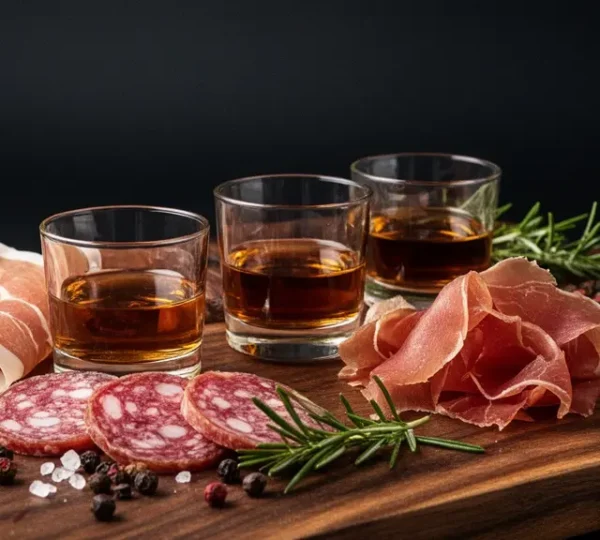
How to Pair Cured Meats with Spirits: Balancing Salt, Fat, and Smoke?
A successful pairing relies not on personal preference, but on the chemical interaction between lipids, ethanol, and salinity. High-proof spirits require high-fat meats to prevent palate numbness and release aromatics. Salt suppresses bitterness in spirits, enhancing perceived sweetness and fruitiness….
Read more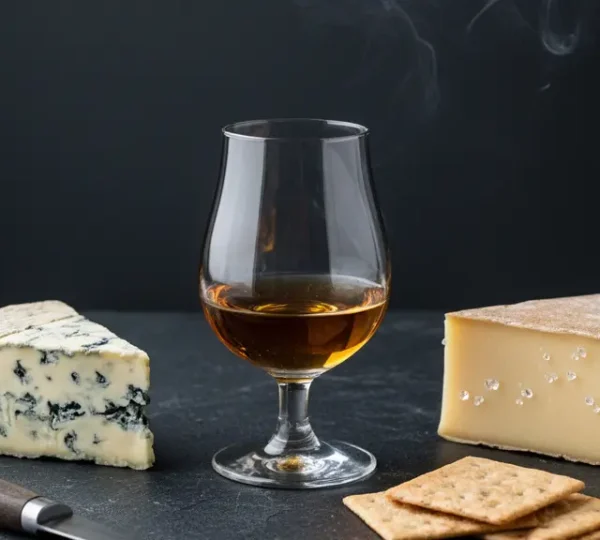
Blue Cheese or Comté: Which Cheese Style Stands Up to Peated Whisky?
Success in pairing whisky with cheese relies not on flavor matching, but on structural engineering: using fat to buffer the ethanol burn. High-proof spirits require dense, crystallized pastes (like aged Comté) or triple-crème fats to prevent palate stripping. Spicy or…
Read more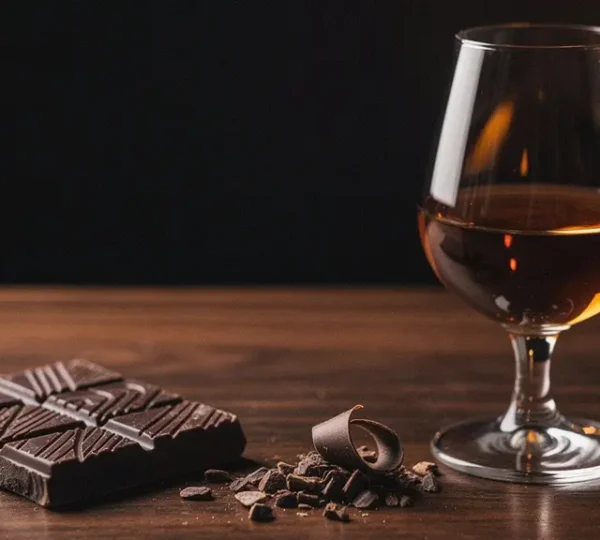
Why 70% Dark Chocolate Is the Universal Match for Aged Spirits?
Contrary to popular belief, successful pairing relies not on matching sweetness levels but on molecular interference patterns that modulate trigeminal nerve activation. 70% cocoa strikes the optimal balance between polyphenol astringency and sugar interference, creating a lipid membrane that buffers…
Read more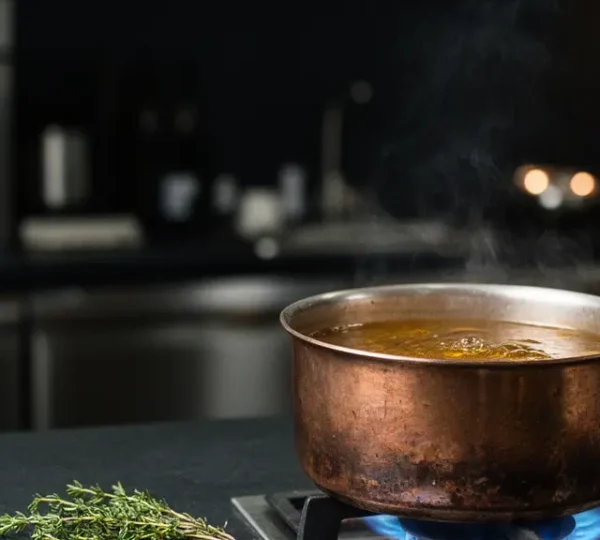
Cooking with Spirits: How to Reduce Whisky Without Turning the Sauce Bitter?
The bitterness in your whisky pan sauce comes from concentrating cheap fusel oils, not from the alcohol itself—which science proves barely burns off during flambé. USDA data reveals flambé only removes 25% of alcohol, while marinades retain 70%. Quality matters:…
Read more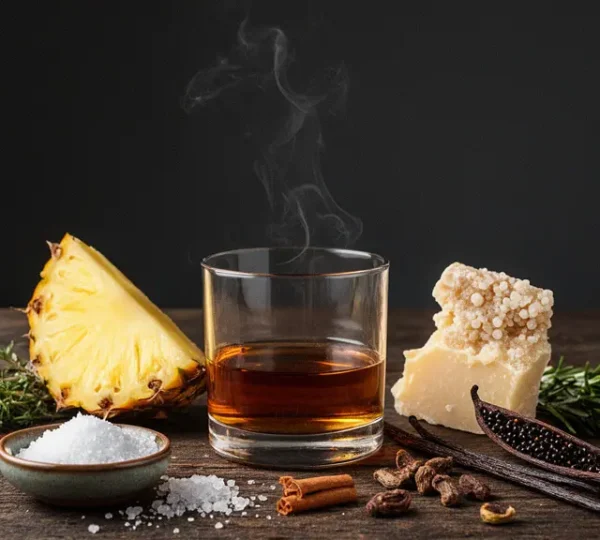
How to Use “Bridge Ingredients” to Connect Spicy Rums with Savory Dishes?
True flavor pairing isn’t about contrast or similarity; it’s about building “molecular bridges” with shared chemical compounds. Ingredients like pineapple and rum pair well because they share specific flavor esters (e.g., ethyl butyrate) created during fermentation. Strategic use of dairy…
Read more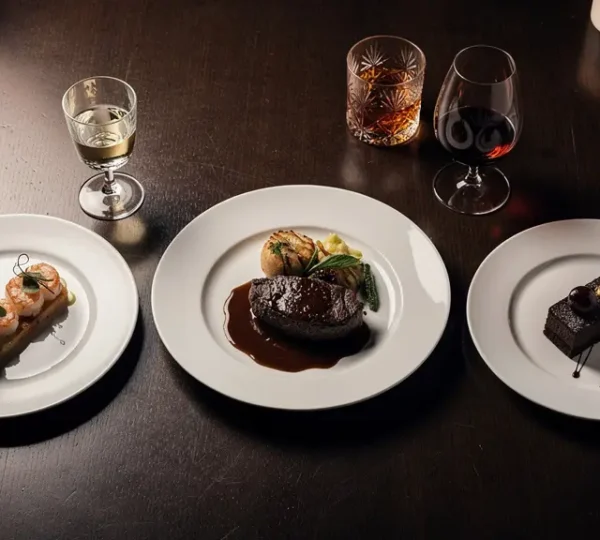
How to Architect a 3-Course Menu Paired Entirely with Spirits
Designing a spirit-paired menu isn’t about following simple rules; it’s about mastering the physics and chemistry of flavor. Lighter spirits prime the palate by releasing volatile compounds, while high-proof spirits cleanse it by dissolving fats. Precise, diluted pours and temperature…
Read more
Why Do Saline Notes in Spirits Trigger Hunger and Salivation?
The secret to mastering saline spirits isn’t just pairing; it’s architecting flavor by actively manipulating sensory perception. Salinity doesn’t just add taste; it suppresses bitterness, enhances sweetness, and physiologically “primes” the palate for a meal by triggering salivation. Successful pairings…
Read more
Why Do Some Aged Whiskies Develop Distinct Apricot and Peach Notes?
The signature apricot and peach notes in a whisky are not a random outcome of aging, but a targeted result of specific molecular chemistry that can be controlled during production. Long fermentation periods (75+ hours) are essential for creating the…
Read more