Rum & Varieties
Among all spirits, rum stands out for its remarkable diversity. From crystal-clear white rums bursting with vegetal freshness to deeply colored aged expressions rich with caramel and spice, this sugarcane-derived spirit encompasses a spectrum of flavors, production methods, and traditions that can overwhelm newcomers and experienced enthusiasts alike. Understanding this variety isn’t just about appreciation—it’s essential for making informed choices whether you’re mixing cocktails, building a home collection, or simply exploring new taste experiences.
The complexity of rum stems from multiple variables: the raw material used (molasses or fresh cane juice), the production region and its climate, aging conditions, and the countless decisions distillers make along the way. Each factor contributes distinct characteristics that define not just categories, but entire flavor philosophies. This article provides the foundational knowledge needed to navigate rum’s diverse landscape with confidence, connecting production realities to what ultimately ends up in your glass.
Understanding Rum Production: From Cane to Spirit
The journey from sugarcane to rum begins with a fundamental choice that shapes everything that follows: the base material. This decision creates two distinct production pathways, each yielding characteristically different spirits that form the foundation of rum’s diversity.
Molasses-Based vs Fresh Cane Juice Rums
The majority of the world’s rum comes from molasses, the thick, dark syrup left over after sugar crystals are extracted from cane juice. This approach makes economic sense—it transforms a sugar industry byproduct into a valuable spirit. Molasses-based rums tend toward rounder, sweeter profiles with notes of caramel, toffee, and baking spices. They form the backbone of Caribbean rum production and offer remarkable consistency since molasses can be stored for extended periods without degradation.
By contrast, fresh cane juice rums (often called agricole-style) are fermented and distilled directly from pressed sugarcane juice with minimal processing. This method demands immediate action—fresh juice begins fermenting spontaneously within hours of pressing, creating significant production constraints. The payoff comes in flavor: these rums showcase grassy, vegetal, and herbaceous notes that directly express the cane itself, along with mineral qualities that reflect terroir. Think of the difference like fresh-squeezed orange juice versus concentrate—both are orange, but the experience differs fundamentally.
The Impact of Raw Materials on Flavor
Beyond the molasses-versus-juice divide, cane varieties themselves contribute distinct flavor signatures. Different cultivars contain varying levels of fermentable sugars, aromatic compounds, and mineral content. A rum made from traditional Red Cane in Martinique will taste noticeably different from one made from hybrid varietals optimized for sugar yield, even when all other production factors remain constant.
Climate and soil further influence these base materials. Volcanic soils impart different mineral characteristics than coastal terroirs. Rainfall patterns affect sugar concentration in the cane. These agricultural realities mean that rum, like wine, carries an expression of place—though this concept remains less formalized in rum than in other spirits categories.
The Color Spectrum: Navigating Rum Styles
The visual progression from clear to dark rum suggests a simple aging timeline, but the reality proves far more nuanced. Color provides clues about a rum’s character, yet it’s neither a definitive indicator of age nor quality.
White and Unaged Rums
White rums occupy two distinct camps. Some are truly unaged, bottled shortly after distillation to preserve fresh, bright flavors—particularly common with agricole-style rums where the grassy, vegetal notes of fresh cane juice shine without oak influence. Others are aged in barrels then filtered through charcoal to remove color while retaining some smoothness from maturation. This distinction matters significantly for cocktail applications.
High-ester white rums deserve special attention. These deliberately funky expressions showcase pronounced fruity aromatics—think overripe banana, pineapple, and even nail polish remover notes—created through extended fermentation. They function like bitters in cocktails, contributing powerful flavor even in small quantities. Common tasting errors occur when these intense rums are evaluated neat like sipping spirits rather than understood as mixing components.
Golden and Aged Expressions
The golden category encompasses the broadest range, from lightly rested rums with subtle oak influence to substantially aged spirits with significant barrel character. Some achieve their color through brief aging (months rather than years), while others blend aged and unaged rums, then adjust color with caramel for consistency.
This middle ground offers versatility. Golden rums typically balance enough character to sip neat with sufficient clarity to shine in cocktails. When selecting for mixed drinks like a Daiquiri—often considered the litmus test for rum quality—a good golden rum should provide flavor complexity without overwhelming the drink’s delicate balance of sweet, sour, and spirit.
Dark Rums and Their Characteristics
Dark rums range from heavily aged expressions that derive color naturally from extended barrel contact to younger rums darkened with caramel coloring. Reading labels carefully becomes essential—a dark color doesn’t guarantee substantial aging. Authentic aged dark rums offer layered complexity: dried fruits, baking spices, tobacco, leather, and oxidative notes that develop through years in wood.
These rums function differently in cocktails than their lighter cousins, providing weight and richness suited to spirit-forward drinks. They’re also prone to over-aging in tropical climates, a consideration we’ll explore next.
Tropical Aging: Why Climate Transforms Rum
Geography isn’t merely a production detail for rum—it’s a fundamental force that shapes maturation in ways that make direct comparisons with other spirits categories misleading. A five-year-old rum aged in the Caribbean isn’t simply a younger version of a five-year-old Scotch; it’s a fundamentally different maturation experience.
The Accelerated Maturation Effect
In tropical climates where most rum matures, warehouse temperatures regularly exceed 30°C (86°F), sometimes reaching 40°C (104°F) or higher. This heat dramatically accelerates the chemical interactions between spirit and wood. The liquid expands deeper into barrel staves, extracting oak compounds more aggressively. Breathing through the wood happens faster. The result: a rum aged three years in Trinidad may show similar oak influence to a whisky aged eight to ten years in Scotland.
This acceleration isn’t merely faster—it follows a different flavor trajectory. The intense heat favors certain chemical reactions over others, creating distinct tropical-aged characteristics that can’t be perfectly replicated in cooler climates, even with longer aging periods.
Angel’s Share and Esterification
The Angel’s Share—the portion of spirit lost to evaporation—ranges from 2-4% annually in Scotland but can reach 8-12% yearly in the tropics. Over a decade, this difference becomes dramatic. A tropical barrel might lose half its volume or more, concentrating flavors intensely while making extended aging economically challenging.
Heat also drives esterification, the chemical process where acids and alcohols combine to create fruity esters. This reaction occurs naturally during aging but proceeds much faster at tropical temperatures. The result: aged tropical rums often display more pronounced fruity characteristics—stone fruits, citrus oils, tropical fruits—layered atop traditional oak notes.
Understanding Age Statements Across Regions
This climatic divide creates confusion around age statements. A 12-year rum from Jamaica and a 12-year rum from continental Europe (where some producers age in cooler warehouses) both spent twelve years in barrels, but the maturation intensity differs vastly. Neither approach is inherently superior—they simply produce different results.
The risk of over-aging becomes real in tropical conditions. Beyond a certain point (often 15-20 years, sometimes sooner), the oak can dominate completely, turning the rum bitter and overly tannic with dried-out fruit notes. Many tropical distillers have learned to optimize maturation strategies through techniques like barrel rotation, blending rums of different ages, or finishing in alternative cask types to add complexity without excessive oak.
Mastering Rum in Cocktails
Understanding rum’s production and aging unlocks more thoughtful cocktail creation. The spirit’s diversity means selection matters tremendously—the “right” rum depends entirely on the drink you’re building and the flavor profile you’re seeking.
Selecting the Right Rum for Your Drink
Classic cocktail structures provide helpful frameworks. A Daiquiri showcases the base spirit with minimal interference—just lime and sugar—making it an ideal testing ground for any rum. It reveals both virtues and flaws clearly. For this application, seek rums with clean flavor profiles and balanced character, whether a crisp agricole blanc or a lightly aged molasses rum.
Tiki drinks often call for multiple rum styles in a single cocktail, layering fresh cane juice rum’s grassiness with aged rum’s richness and high-ester funk for aromatic lift. The classic Ti’ Punch—rhum agricole, lime, and cane syrup—represents the opposite philosophy: radical simplicity that demands a quality base spirit since there’s nowhere to hide.
When comparing rum with other spirits in classic structures (say, substituting rum for whiskey in an Old Fashioned), consider the rum’s flavor intensity and sweetness perception. Many rums read as sweeter than whiskey even without added sugar, which may require cocktail ratio adjustments.
Common Mixing Mistakes to Avoid
The most frequent error involves overproof rums—expressions bottled at 50% ABV or higher. Their intensity isn’t a flaw but a feature, designed to contribute powerful flavor without diluting a cocktail’s balance. Using overproof rum in standard proportions often creates harsh, unbalanced drinks. Instead, reduce the volume while increasing other ingredients proportionally, or use overproof expressions as a “seasoning” alongside a standard-proof base rum.
Another misconception involves sugar content. While some rums contain added sugar (particularly certain styles from specific regions), the perception of sweetness often comes from natural sources: the base material, aging-derived vanillin and oak lactones, or ester-driven fruit notes. Assuming all sweet-tasting rums contain additives oversimplifies a complex topic. When precision matters, seek producers who disclose their processes or consult resources that test for additives.
Practical Considerations for Rum Enthusiasts
Building knowledge means little without practical application. Whether you’re assembling a home bar or maintaining bottles already opened, certain principles ensure you get the most from your rum collection.
Building a Versatile Home Collection
A minimal but functional rum selection might include just three bottles that cover maximum range:
- A quality white or lightly aged rum for fresh, citrus-forward cocktails (Daiquiris, Mojitos)
- An aged rum with character for sipping or spirit-forward drinks (Old Fashioneds, simple highballs)
- A high-ester or overproof expression as a modifier to add complexity and intensity when needed
This trio provides remarkable versatility without overwhelming cabinet space or budget. As you develop preferences, expansion can follow specific interests—perhaps exploring agricole styles, diving into specific island traditions, or collecting various age expressions from a favored distillery.
Storage and Tasting Best Practices
Once opened, rum bottles face gradual oxidation. Unlike wine, this happens slowly—an opened bottle stored properly remains enjoyable for years. However, high-ester whites and unaged agricole expressions are more vulnerable, their delicate aromatics fading noticeably after 6-12 months of air exposure. Store these upright in a cool, dark place, and consider transferring to smaller bottles as levels drop to minimize air contact.
When tasting, particularly with powerful expressions, common errors include insufficient rest time (let the rum breathe in the glass for a few minutes), tasting at too-cold temperatures (which mutes aromatics), or nosing too aggressively with high-proof rums (approaching the glass gently prevents alcohol burn from overwhelming other aromas). Adding a few drops of water to higher-proof rums isn’t cheating—it’s a legitimate technique that can open up flavors and reduce alcohol heat.
The world of rum rewards curiosity and exploration. Armed with understanding of how production choices, climate, and raw materials shape this diverse spirit category, you’re equipped to make informed selections, mix with intention, and appreciate the remarkable range this sugarcane spirit offers. Each bottle tells a story of place, process, and the distiller’s craft—stories that become richer the more you learn to read them.
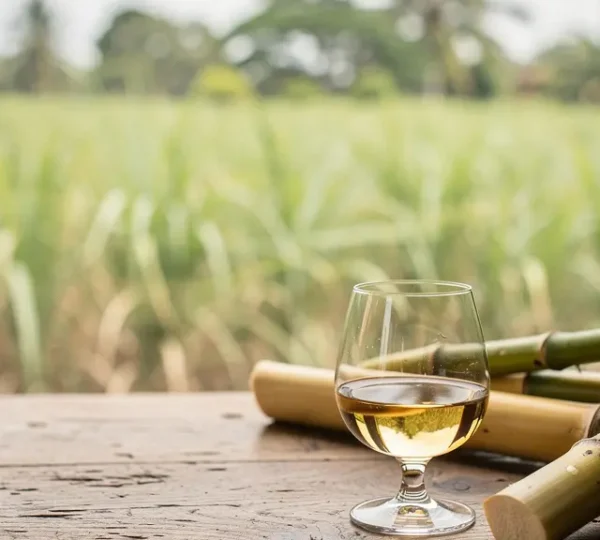
How to Select a White Agricole Rum That’s Perfect for Your Palate
So, you’re ready to explore the world beyond mass-market rums. You’ve heard whispers of “rhum agricole,” the artisanal spirit from the French Caribbean, praised for its complexity. But you’ve also heard the warnings: it’s “grassy,” “funky,” “vegetal.” It can be…
Read more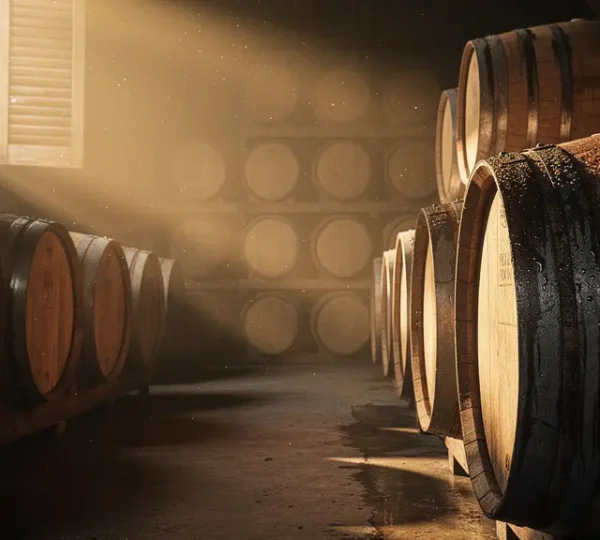
How Does Tropical Aging Mature Rum 3 Times Faster Than Scotch?
The accelerated aging of tropical rum isn’t magic; it’s a series of intense, quantifiable environmental pressures that force chemical and physical changes at a rate unthinkable in Scotland. Constant high heat and humidity act as chemical accelerants, driving the creation…
Read more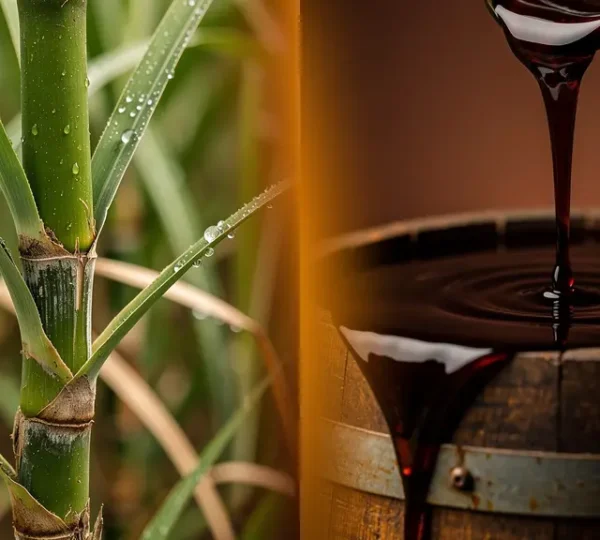
Agricole vs Molasses Rum: Which Style Defines the True Essence of Cane?
The common belief that rum is either from ‘fresh juice’ or ‘molasses’ misses the point entirely; the real distinction is agricultural. Rhum Agricole is a terroir-driven spirit whose flavour is a direct reflection of the soil, cane varietal, and the…
Read more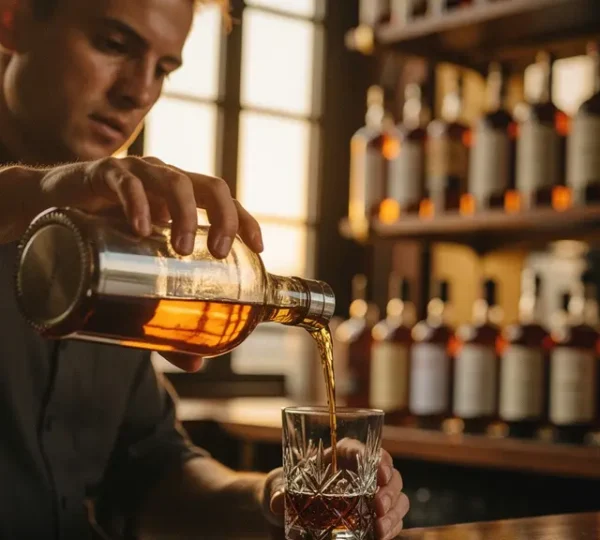
Why Is Rum Considered the Most Versatile Base Spirit for Cocktails?
Rum’s legendary versatility comes not from being a blank slate, but from its complex molecular structure that any home bartender can learn to control. The key is understanding the chemical difference between light-ester white rums and heavy-congener dark rums. Mastering…
Read more