Whisky & Terroirs
The term “terroir” might evoke images of vineyard slopes and wine cellars, but its influence extends powerfully into the world of whisky. Every element—from the barley field’s mineral composition to the warehouse’s coastal breeze—leaves a chemical fingerprint in your glass. Unlike wine, whisky undergoes distillation and extended maturation, creating multiple opportunities for environmental factors to shape its final character. Understanding these influences transforms tasting from a simple sensory experience into a journey through geography, climate, and craftsmanship.
This connection between place and spirit operates on several levels. The raw materials absorb characteristics from their growing environment. The distillation equipment interacts chemically with the liquid in predictable ways. The maturation warehouse’s location dictates temperature swings, humidity, and even atmospheric compounds that penetrate the cask. Together, these factors explain why an Islay malt tastes fundamentally different from a Kentucky bourbon or a Highland single malt, even when production methods seem similar. This article explores the science and tradition behind these differences, offering you the framework to understand how whisky and terroir intersect at every production stage.
The Foundation: Terroir, Grains, and Raw Materials
Before any spirit enters a still, its potential character is already partially determined by agricultural decisions and environmental conditions. The concept of terroir in whisky begins in the fields, where soil chemistry, rainfall patterns, and temperature ranges influence the crops that will eventually become fermentable sugars.
How Soil and Climate Shape Character
Barley and corn absorb trace minerals from the soil, while water sources carry dissolved compounds that affect both mashing and dilution. A barley variety grown in mineral-rich volcanic soil develops different protein and enzyme profiles compared to the same variety cultivated in sedimentary plains. These biochemical variations influence enzyme activity during mashing, affecting the ratio of fermentable to non-fermentable sugars, which in turn impacts the spirit’s body and mouthfeel.
Climate introduces seasonal variation. Cooler growing regions produce barley with higher starch content and lower protein, ideal for spirit production but requiring careful malting. Warmer climates accelerate maturation but may reduce the grain’s enzyme potential. Distillers who track their supply chain from field to bottle can make informed decisions about grain sourcing, selecting specific farms or regions that consistently deliver the desired flavor precursors. Think of this like a chef choosing heirloom tomatoes from a particular valley—the location matters as much as the variety.
Grain Selection and Mash Bill Craftsmanship
American whiskey traditions demonstrate terroir’s influence through grain recipes. The mash bill—the proportional grain recipe—determines the spirit’s fundamental flavor architecture. Corn contributes sweetness and body, rye adds spice and complexity, wheat brings softness, and malted barley provides enzymatic power and subtle nuttiness.
A typical bourbon might contain 70% corn, 15% rye, and 15% malted barley, creating a sweet, robust profile. Swap that rye for wheat, and you produce a gentler, softer spirit. These aren’t arbitrary choices; they reflect regional agricultural strengths and historical grain availability. The Midwest’s corn surplus made bourbon possible, while Scotland’s barley cultivation shaped single malt traditions. Understanding these ratios helps you decode flavor before you even consider distillation or maturation. When pairing whisky with food, knowing whether you’re working with a high-corn versus high-rye mash bill guides you toward complementary flavors—sweet barbecue for wheated bourbon, spiced dishes for rye-forward expressions.
The Science of Distillation and Copper
Distillation purifies and concentrates, but it’s far from a neutral process. The equipment’s material composition, particularly copper, actively transforms the spirit through chemical reactions that remove undesirable compounds and create new flavor molecules.
Why Copper Matters Beyond Equipment
Copper catalyzes a crucial reaction with sulfur compounds formed during fermentation. These sulfury notes—reminiscent of cooked vegetables, rubber, or struck matches—would overwhelm the spirit if left unchecked. Copper binds with these compounds, effectively scrubbing them from the vapor. The process resembles how activated charcoal filters water, except here the metal surface itself is the reactive agent.
The chemistry operates through direct contact, meaning surface area matters enormously. A tall, narrow pot still with an extended neck provides more copper interaction than a short, wide design, producing a lighter, cleaner spirit. Column stills, common in bourbon production, may have less copper surface relative to their output volume, sometimes requiring supplementary copper elements in the system to achieve adequate sulfur removal.
Balancing Modern Efficiency With Traditional Interaction
Contemporary distilleries face a challenge: modern equipment often prioritizes efficiency and capacity over copper contact time. Stainless steel components reduce maintenance costs but sacrifice the catalytic benefits of copper. Some producers address this by optimizing the reflux ratio—the amount of vapor that condenses and redistills before collection. Higher reflux means more passes over copper surfaces, increasing interaction time and improving purity.
Maintenance protocols matter too. Copper oxidizes and can develop deposits that reduce its catalytic effectiveness. Regular cleaning and occasional re-surfacing ensure consistent performance. Distillers who neglect this maintenance risk batch-to-batch variation or off-flavors, much like a chef working with dull knives—the tool’s condition directly affects the outcome.
Maturation Geography: From Coastlines to Mountain Peaks
Once distillation concludes, geography’s influence intensifies during maturation. The warehouse location determines temperature cycles, humidity levels, and atmospheric composition, all of which penetrate the cask and interact with the maturing spirit.
Coastal Influences and Salt-Kissed Spirits
Warehouses near the ocean expose casks to salt-laden air, which can penetrate the wood over years of maturation. The mechanism involves the cask’s breathing cycle: as temperatures rise, the wood expands and draws in atmospheric air; as they fall, it contracts. This gradual exchange introduces trace amounts of maritime compounds, contributing subtle salinity and mineral notes.
The effect is most pronounced in locations with high humidity and proximity to breaking waves, where airborne salt concentrations are highest. Island distilleries often showcase this character, with a perceived brininess that complements or contrasts with other flavor elements like peat smoke or fruit esters. However, coastal maturation also increases evaporation rates in some climates, concentrating the spirit faster but reducing overall yield. Distillers must balance the desired flavor contribution against economic considerations, timing releases when the character reaches its peak before losses become prohibitive.
Altitude and Temperature Extremes
Mountain or high-altitude warehouses experience dramatic temperature fluctuations between day and night, and between seasons. This thermal cycling drives the spirit deeper into the wood and back out more aggressively than in temperate, stable environments. The result is accelerated extraction of wood compounds—vanillin, lignin derivatives, and tannins—creating more intense maturation in less time.
Think of it like marinating meat: gentle, slow refrigeration allows gradual flavor penetration, while room temperature speeds the process but requires careful monitoring to avoid over-seasoning. Similarly, extreme temperature swings can over-mature a spirit if left unchecked. Distillers in these environments must plan for shorter maturation periods or select casks that won’t become overly tannic. The choice between dunnage warehouses (traditional, single-story, stone buildings) and racked warehouses (multi-story, industrial facilities) also matters, as vertical position within a tall building creates micro-climates with different maturation rates.
The Wood Effect: Casks, Char, and Chemical Transformation
If terroir provides the raw material and location influences the maturation environment, then the cask itself is the crucible where transformation occurs. Wood selection, preparation, and history determine up to 70% of the final flavor profile in many whiskies.
Understanding Wood Chemistry
Oak contains three primary flavor contributors: lactones (coconut, woody notes), tannins (structure, astringency), and lignin derivatives (vanilla, spice). American oak (Quercus alba) is high in lactones but lower in tannins, producing sweet, creamy flavors. European oak (Quercus robur) reverses this balance, offering spice and structure with less sweetness.
First-fill casks, which have never held whisky before, deliver these compounds most aggressively. Refill casks have already surrendered much of their easily extracted material, providing subtler influence that allows the distillery character to shine through. Choosing between them is like selecting between a bold spice blend and delicate herbs—both have their place depending on the desired outcome. Seasoning casks with sherry, wine, or other liquids before filling them with whisky adds another layer, introducing fruit esters, oxidative notes, and residual sugars that integrate during maturation.
Char Levels and Caramelization
Charring the cask interior does more than create a visual effect. The carbonized wood acts as a filtration layer, absorbing sulfur and other undesirable compounds through adsorption—a process where molecules bind to the charcoal’s porous surface. The industry uses char levels from 1 (lightest, 15 seconds of flame) to 4, nicknamed “alligator char” for its deeply cracked appearance (55 seconds).
Deeper chars also caramelize wood sugars, creating sweet, toasted notes reminiscent of crème brûlée or burnt sugar. However, excessive charring risks bitterness and can strip away too much of the spirit’s inherent character, leaving only wood influence. Timing the cask dumping—when the whisky is removed from the barrel—requires monitoring this balance, ensuring maximum complexity without crossing into over-oaking territory.
Sherry Casks and New Wood Trends
Spanish sherry casks have defined certain whisky styles for generations, particularly in Scotland. These casks previously held fortified wine, absorbing its rich, oxidative character. When filled with whisky, they impart dried fruit, nut, and spice notes alongside the wood’s contribution. The transport logistics from Jerez to Scotland represent a historical trade relationship, though modern demand has led some producers to season casks specifically for whisky maturation rather than relying solely on exhausted sherry barrels.
A recent trend involves using virgin oak—new casks that have never held any liquid. This practice, long standard in bourbon production, intensifies wood influence dramatically. The challenge lies in managing the aggressive tannins and lactone intensity without losing the distillery’s signature character. Some producers use virgin oak for finishing—a brief secondary maturation period—rather than full maturation, achieving wood impact while preserving balance. Others re-char previously used casks to rejuvenate their flavor contribution, offering a middle path between first-fill intensity and refill subtlety.
Flavor Compounds and Final Touches
Beyond terroir and wood, specific chemical compounds define whisky’s most distinctive characteristics. Understanding these molecules and the final production steps helps demystify what you taste and why.
Decoding Peat and Phenols
Peat smoke introduces phenolic compounds—measurable molecules that create the characteristic smoky, medicinal, or campfire notes in certain whiskies. During malting, burning peat exposes damp barley to smoke, which deposits phenols on the grain. These are measured in parts per million (ppm) in the malt, though the final spirit contains significantly lower levels due to phenol loss during fermentation and distillation.
Not all peat is identical. Coastal peat, containing decomposed seaweed and marine vegetation, produces medicinal, iodine-like notes. Inland peat from heather and grass creates softer, campfire-style smoke. A common misconception equates dark color with heavy smoke, but color comes primarily from cask interaction, not phenol content. A heavily sherried whisky might appear dark brown yet contain no peat, while a pale spirit from a bourbon cask could deliver intense smokiness if made from high-phenol malt.
Resting, Integration, and Bottling Timing
Post-distillation and post-blending, spirits undergo a stabilization period before bottling. This resting phase allows oxidation reactions to mellow sharp edges and harmonize disparate elements. The chemistry involves slow interaction with oxygen, which transforms certain aldehydes and esters, softening aggressive notes.
Dilution—adding water to reach bottling strength—requires careful integration time. Abrupt water addition can cause “bottle shock,” where flavors become muted or disjointed temporarily. Glass and stainless steel vessels each offer advantages: glass is inert and prevents any metallic interaction, while stainless steel facilitates temperature control and easier handling at scale. The bottling schedule matters economically and qualitatively, as extended resting ties up capital but often improves the final product’s smoothness and complexity.
These final touches might seem minor compared to years of maturation, but they represent the distiller’s last opportunity to optimize the liquid. Rushing this stage can undermine years of careful work, much like serving a perfectly aged wine in the wrong glass—the substance is excellent, but the presentation compromises the experience.
Understanding whisky through the lens of terroir reveals that every element—soil minerals, copper chemistry, warehouse microclimates, wood selection, and phenol management—contributes to the final character. These aren’t abstract concepts but measurable, deliberate choices that distillers navigate with each production decision. Armed with this knowledge, you can appreciate the complexity in your glass and make more informed selections based on the specific terroir expressions that resonate with your palate.
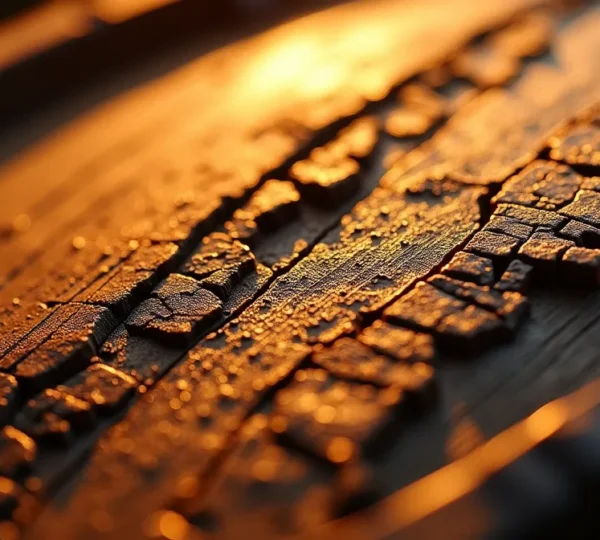
Why Is Virgin Oak Finishing Becoming the New Trend in Scotch Whisky?
The use of virgin oak in Scotch is not a ploy to mimic Bourbon; it is a calculated move in high-precision flavor engineering. It delivers specific flavor compounds like coconut and vanilla exponentially faster than traditional ex-bourbon casks due to…
Read more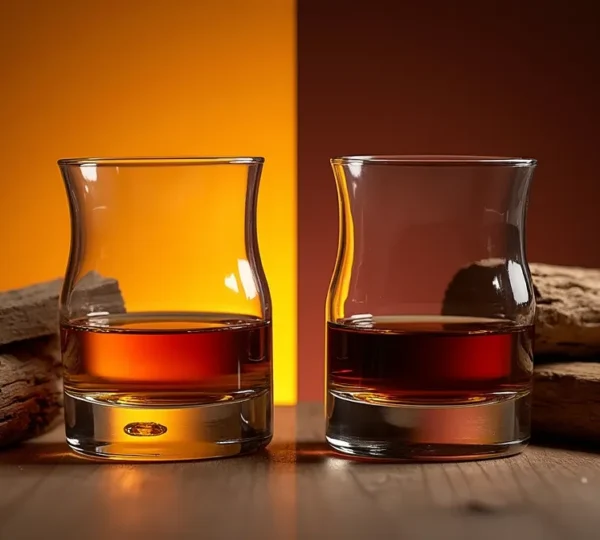
Oloroso or Pedro Ximénez: Which Sherry Cask Creates the Better Dessert Dram?
The choice between Oloroso and PX is not about which is ‘better,’ but about understanding that the wine is only one part of a much larger story. The true character of a sherry cask whisky is forged by the type…
Read more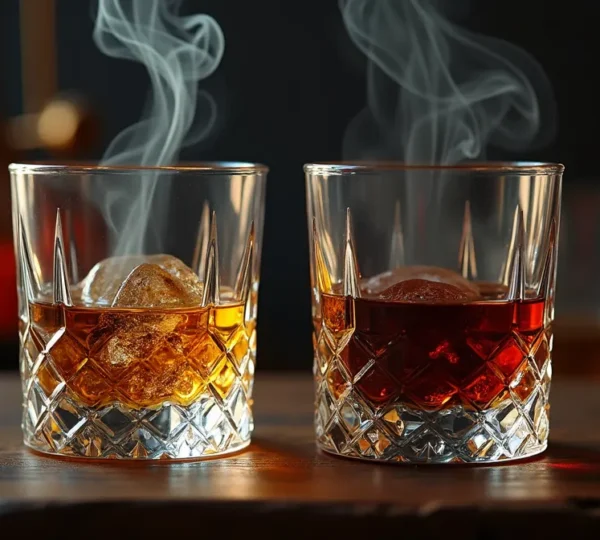
Why Does PPM Count Not Equal the Perceived Smokiness in Your Glass?
Contrary to popular belief, the PPM number on a whisky label is a poor predictor of perceived smokiness. This is because a significant majority of peat phenols are lost during production, cask aging fundamentally alters the smoke profile, and other…
Read more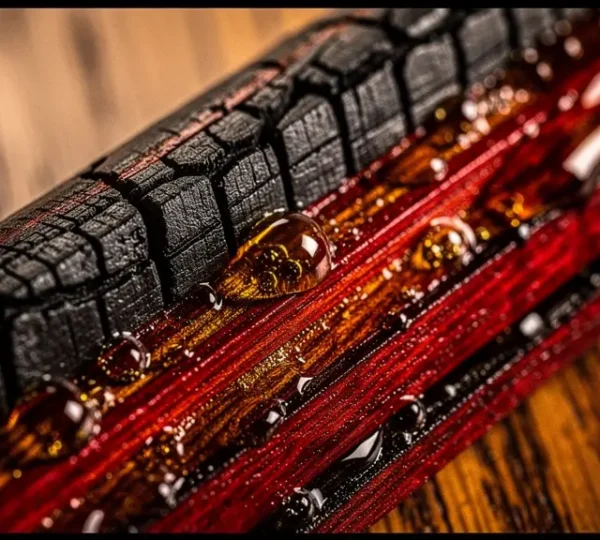
Why Does Heavy Barrel Char Filter Impurities Better Than Light Toast?
Heavy charring transforms a barrel into a high-performance bioreactor, excelling at both subtractive and additive maturation where light toasting falls short. The deep pyrolytic layer creates activated carbon, which chemically scrubs sulfur compounds and other impurities from the new make…
Read more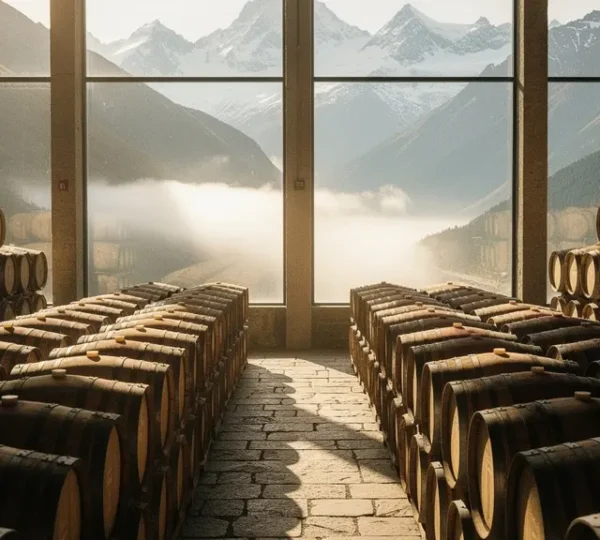
How High-Altitude Storage Transforms Spirit Maturation, Not Just Slows It
Contrary to the simple idea that cold climates just slow down aging, high-altitude maturation is a dynamic process. It’s not about time, but about the unique, rhythmic ‘breathing’ of the cask, driven by drastic temperature and pressure shifts. This dialogue…
Read more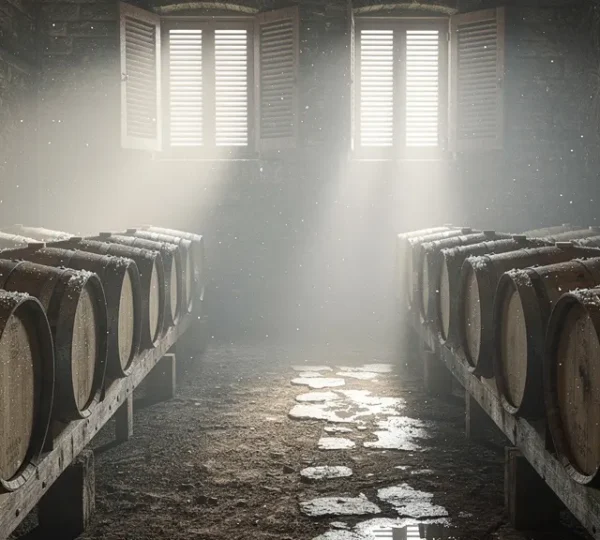
How Does Sea Air Penetrate Casks to Create Saline Whisky Profiles?
Most people think our whisky gets salty just by breathing in the sea air. The truth is far more complex and violent. It’s a physical battle fought inside every cask against humidity, temperature, and even fungus. That signature brine note…
Read more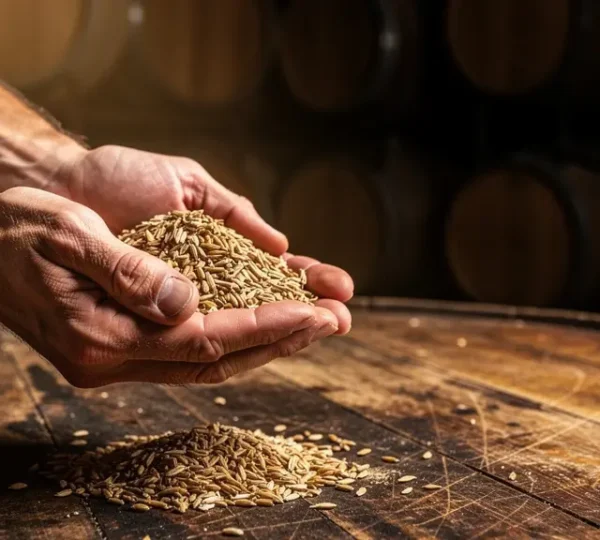
How Does the Percentage of Rye in a Mash Bill Spike the Spice Level?
Contrary to popular belief, a high-rye bourbon’s spice isn’t just about the percentage—it’s about the grain’s inherent chemical personality. Rye’s signature spice comes from specific phenolic compounds, a chemical fingerprint that corn and wheat lack. Corn provides initial sweetness, but…
Read more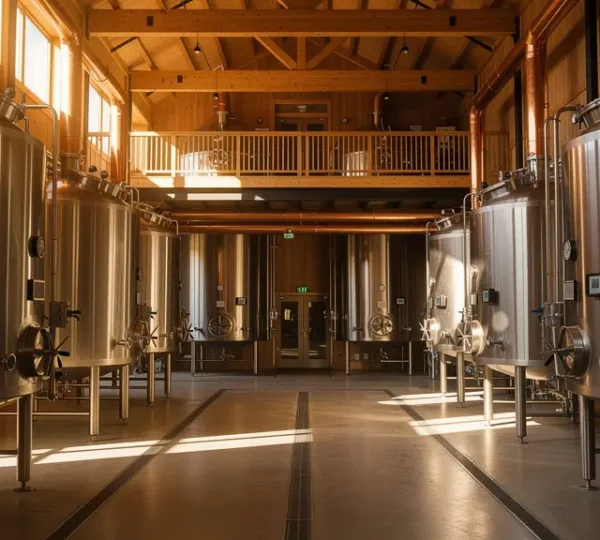
Why Do Spirits Need to “Marry” in Vats Before Bottling?
The final ‘marrying’ phase isn’t a romantic art; it’s a series of critical engineering steps that determine a spirit’s final quality and stability. Chemical integration of ethanol, water, and flavor compounds requires time to prevent harshness and instability. Process variables…
Read more
American Oak or European Oak: Which Wood Profile Suits Your Palate?
A cask’s true value for an investor is dictated by its wood chemistry and history, not just its origin or previous contents. The concentration of specific compounds like vanillin and lactones, determined by oak species and prior use, directly impacts…
Read more
Terroir in Spirits: A Quantifiable Truth, Not a Marketing Myth
Contrary to the common belief that distillation erases all sense of place, terroir in spirits is a measurable scientific reality, not just a romantic marketing term. The raw ingredients—grain, sugarcane, agave—carry a distinct biochemical signature from their environment which can…
Read more