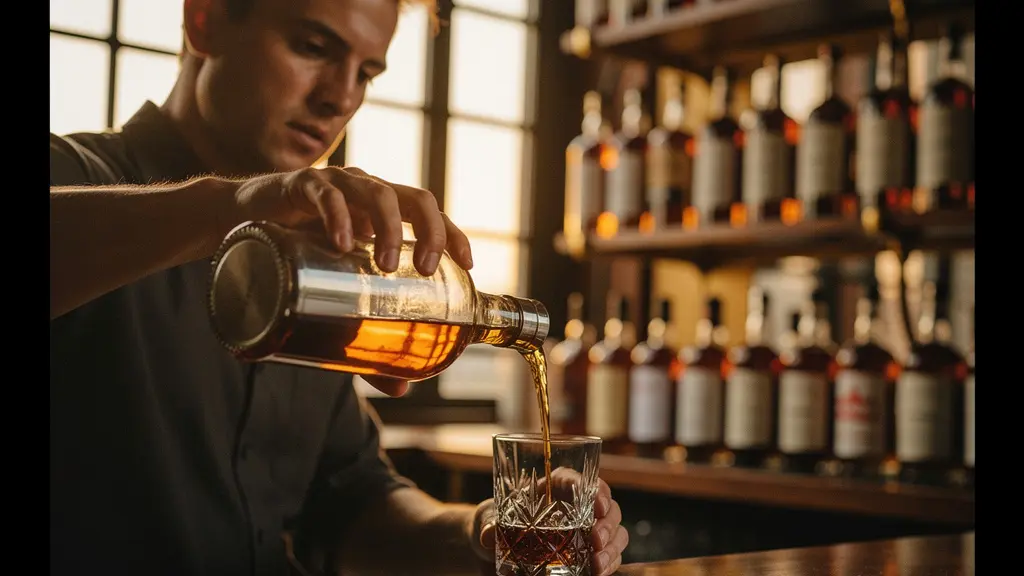
Rum’s legendary versatility comes not from being a blank slate, but from its complex molecular structure that any home bartender can learn to control.
- The key is understanding the chemical difference between light-ester white rums and heavy-congener dark rums.
- Mastering balance isn’t just about sweet and sour; it’s about controlling dilution, texture, and aromatic weight.
Recommendation: Start with just three core bottles (a crisp white, a rich aged, and a funky overproof) to unlock hundreds of classic and original cocktails.
Welcome, friend! Pull up a stool. If you’ve ever stood before your home bar, a bottle of rum in hand, and wondered why it can star in a light, zesty Daiquiri just as easily as a deep, brooding Old Fashioned, you’ve stumbled upon the spirit world’s greatest secret. Many will tell you rum is versatile simply because it comes in “light” and “dark” forms or because it’s made from sugar. But that’s like saying a guitar is versatile because it has strings. The real magic, the kind we chase here at the bar every night, is in understanding the *why*. It’s about the molecular canvas of the spirit itself.
The common advice is to just follow recipes, to treat rum as an interchangeable ingredient. But this often leads to disappointment—a muddy Mojito or a flat Mai Tai. The truth is, rum isn’t a blank canvas; it’s a molecular one, rich with a spectrum of flavor compounds called congeners and esters that are just waiting for a skilled hand to guide them. Its versatility isn’t an accident; it’s a direct result of its production, from sugarcane source to distillation method to the type of barrel it rests in.
This is where your journey from a recipe-follower to a true cocktail creator begins. Forget the idea that you need dozens of bottles. We’re going to dismantle the myth of rum’s simplicity and show you that by understanding its core chemical principles, you can unlock an entire universe of flavor. We’ll explore the science of swapping rums, the art of balancing a perfect sour, the nuance of dilution, and how to build a world-class, endlessly creative bar with just three essential bottles. Let’s dive into the liquid intelligence of this incredible spirit.
For those who prefer a visual journey, the following video offers a fantastic session with a rum expert, demonstrating some of the principles of mixology and the spirit’s adaptability in a live setting. It perfectly complements the foundational knowledge we’re about to explore.
This guide is structured to take you from the fundamental science of rum to the creative art of cocktail innovation. We’ll break down the essential concepts step by step, giving you the confidence to not just make drinks, but to truly understand them. Below is the roadmap for our exploration into the heart of rum’s versatility.
Summary: The Mixologist’s Guide to Rum’s Adaptability
- Why White Rum and Dark Rum Cannot Always Be Swapped in Recipes?
- How to Balance Lime and Sugar to Perfect the Classic Daiquiri?
- Rum Old Fashioned vs Whiskey Old Fashioned: Which Fits Your Dessert Course?
- The Dilution Error That Makes Overproof Rum Cocktails Undrinkable
- How to Build a World-Class Rum Bar with Only 3 Essential Bottles?
- Why Mapping Sweet, Sour, Bitter, and Umami Is the First Step to Creation?
- Manhattan or Daiquiri: Which Balance Structure is Harder to Master?
- How to Move from Following Recipes to Creating Your Own Signature Cocktails?
Why White Rum and Dark Rum Cannot Always Be Swapped in Recipes?
The most common mistake a home bartender makes is treating “rum” as a single category. The belief that white and dark rum are interchangeable is the root of many disappointing cocktails. The difference isn’t just color; it’s a fundamental divergence in chemical composition that dictates flavor, aroma, and even texture. White rums, especially Spanish-style ones, are typically light in body and high in delicate, floral esters. Dark rums, on the other hand, derive their character from aging and often contain a higher concentration of heavier, fruitier congeners and compounds like tannins and vanillin from the oak barrels.
This chemical variance is why a simple swap can ruin a drink. Imagine a Mojito. Its soul is the delicate interplay of fresh mint, bright lime, and crisp rum. A light-ester white rum lifts these flavors. Now, substitute it with a funky, pot-still dark rum. The heavy congeners, full of banana and brown sugar notes, will trample the mint, creating a confused, muddy flavor profile. As expert analysis confirms, rum’s aromatic compounds are primarily soluble in ethanol, not water, meaning their character is locked into the spirit’s very structure. You’re not just changing the color; you’re changing the cocktail’s DNA.
The texture, or mouthfeel, also plays a crucial role. Aged rums develop higher levels of glycerol during their time in wood, giving them a more viscous, rounded body. White rums are generally crisper and lighter. This textural difference can completely alter the drinking experience. To truly grasp this, it’s helpful to look at the properties side-by-side.
The following table breaks down these critical differences, showing exactly why a white and dark rum can behave so differently in your shaker. This data, sourced from an in-depth analysis of rum composition, highlights the molecular building blocks that define each style.
| Property | White Rum | Dark Rum | Impact on Cocktails |
|---|---|---|---|
| Ester Profile | Light, floral (0.5-1g/L) | Heavy, fruity (2-5g/L) | Flavor intensity |
| Glycerol Content | Low (crisp texture) | High (viscous body) | Mouthfeel |
| Congener Level | 30-100 mg/L | 200-500 mg/L | Complexity |
| Aging Impact | None to minimal | Oak tannins present | Structure |
Ultimately, think of your rums as different characters in a play. The light, zesty white rum is your agile hero, perfect for fast-paced, vibrant scenes. The dark, complex aged rum is your brooding, thoughtful protagonist, adding depth and gravity. You wouldn’t ask them to switch roles and expect the same performance.
How to Balance Lime and Sugar to Perfect the Classic Daiquiri?
Ah, the Daiquiri. Three simple ingredients: rum, lime, and sugar. It sounds easy, but in our bar, we see it as the ultimate test of a bartender’s skill. Its simplicity is deceptive; with nowhere to hide, any small imbalance is immediately obvious. The secret to a perfect Daiquiri isn’t a single magic ratio, but a flexible approach that adapts to the specific ester profile of your chosen rum. The question isn’t “what’s the ratio?” but “what ratio does *this* rum demand?”
A classic starting point is often 2 parts rum, 1 part lime, and 1 part sugar (the 2:1:1 sour spec). However, this is just a baseline. A dry, crisp Spanish-style white rum might sing with a near 1:1 balance of lime and sugar. But switch to a funkier, fuller-bodied Jamaican white rum, and that same ratio will fall flat. The rum’s powerful esters need more sugar to stand up to the acidity, often requiring a shift to something closer to a 3:4 lime-to-sugar ratio. It’s a dance, not a formula.
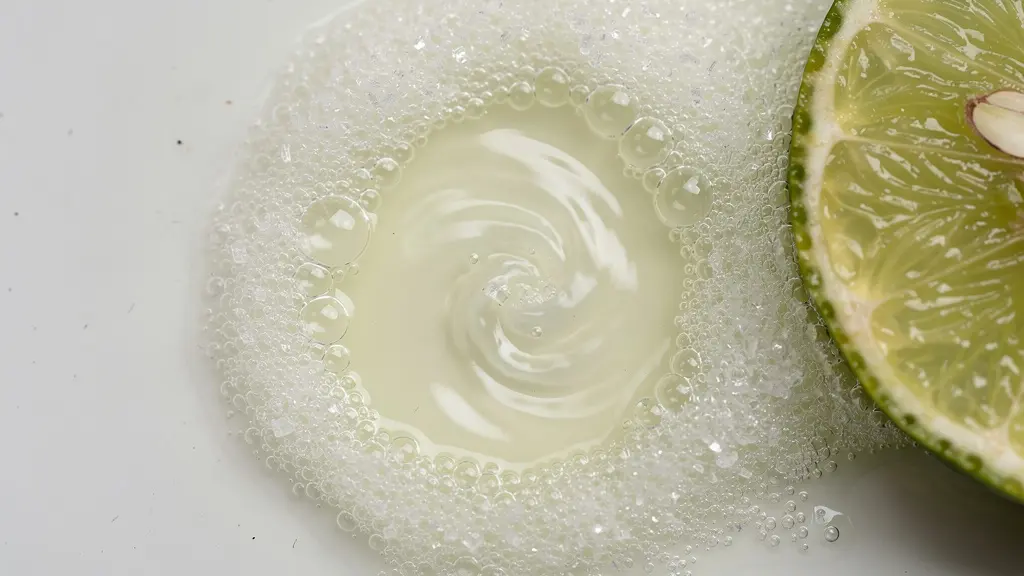
The type of sugar matters, too. Using a rich demerara syrup instead of a neutral white sugar simple syrup introduces molasses notes that add complexity but also perceived sweetness, meaning you might need to reduce the quantity by about 15%. A 2:1 rich simple syrup will add more texture and sweetness with less volume than a 1:1 syrup. The final touch? Don’t just juice your lime. Express the oils from a piece of the peel over the finished drink. This adds a vibrant aromatic brightness without increasing the acidity, layering flavor in a way that simply adding more juice cannot. It’s this attention to detail that elevates a good Daiquiri to a great one.
Perfecting the Daiquiri is a journey of taste and adjustment. Start with a base recipe, but don’t be afraid to tweak it. Is the rum’s character lost? Add a touch more sugar. Is it cloying? A bit more lime. This constant calibration is the heart of mixology.
Rum Old Fashioned vs Whiskey Old Fashioned: Which Fits Your Dessert Course?
The Old Fashioned is a timeless template: spirit, sugar, bitters, and water (from dilution). While traditionally a whiskey stronghold, rum makes a phenomenal and arguably more versatile substitute, especially when pairing with a dessert course. The choice between a Rum Old Fashioned and a Whiskey Old Fashioned isn’t about which is “better,” but about what role you want the cocktail to play alongside the sweetness and texture of your dessert.
A classic Rye Whiskey Old Fashioned is characterized by its spicy, dry, and grainy notes. This profile acts as a fantastic counterpoint to a rich, creamy dessert like a cheesecake or crème brûlée. The whiskey’s dryness cuts through the fat and sweetness, cleansing the palate and providing a sharp, satisfying contrast. A Bourbon Old Fashioned, with its sweeter corn base and vanilla notes from new charred oak, starts to bridge the gap, but it still retains that distinctive grain-forward structure.
This is where the Rum Old Fashioned truly shines in its adaptability. The base spirit itself offers a world of choice. Using a dry, funky, high-ester Jamaican rum can create a fascinating, unexpected contrast against a sweet dessert, much like a dry rye would. But using a rich, dark Demerara or a Spanish-style añejo rum changes the game entirely. These rums, with their inherent notes of toffee, vanilla, and dried fruit, can match the dessert’s sweetness, creating a harmonious and resonant pairing. As celebrated bartender Ezra Star notes in PUNCH Magazine:
A Rye Whiskey Old Fashioned’s spicy, dry profile can cut through richness, while a Rum Old Fashioned, with its inherent sweetness, can either match the dessert’s sweetness or, if using a dry, funky rum, create a fascinating contrast.
– Ezra Star, PUNCH Magazine – The Best Easy Stirred Rum Cocktail Recipes
So, which to choose? If your dessert is intensely rich and you need a sharp, spicy foil to balance it, the Rye Old Fashioned is a classic for a reason. But if you want a cocktail that can either complement the dessert’s flavors directly or offer its own unique, funky contrast, the Rum Old Fashioned provides a far wider and more interesting palette to paint with.
The versatility of rum allows it to play both offense and defense at the dinner table, a quality few other spirits can claim with such confidence.
The Dilution Error That Makes Overproof Rum Cocktails Undrinkable
Overproof rum. The mere mention of it conjures images of flaming drinks and intoxicatingly strong concoctions. But for the serious mixologist, high-proof spirits like 151-proof rum are not a gimmick; they are a powerful tool for concentrating flavor. However, they come with a critical caveat: without proper dilution, they are harsh, fiery, and completely undrinkable. The biggest error we see is treating overproof rum like a standard 80-proof spirit. It needs water, and it needs it in a precise way.
The science behind this is fascinating. Many of rum’s most aromatic and flavorful compounds (our friends, the congeners and esters) are more soluble in ethanol than in water. In a high-proof environment, they are “caged” by the alcohol. Proper dilution—the controlled addition of water through shaking or stirring with ice—”unlocks” these compounds, releasing them into the drink and making them available to your nose and palate. The goal isn’t just to chill the drink or make it less alcoholic; it’s a chemical reaction designed to maximize flavor. Professional bartending standards indicate that 25-30% water dilution is the scientific ‘sweet spot’ for overproof cocktails, transforming the alcoholic burn into an integrated, aromatic finish.
Case Study: The Zombie Cocktail Dilution Challenge
The legendary Zombie cocktail is a masterclass in overproof dilution. It balances multiple rums, often including a 151-proof float. The common mistake is to under-shake the core ingredients (less than 30 seconds), failing to achieve the necessary chill and dilution. This results in a cocktail where the final overproof float sits harshly on top, delivering an aggressive alcohol burn. In contrast, a professionally made Zombie is shaken vigorously to achieve that 25-30% dilution. The result? The overproof rum integrates seamlessly, its concentrated flavors contributing to the drink’s complexity without overwhelming the palate. Some pros even weigh the drink before and after shaking to ensure perfect consistency every time.
How do you achieve this at home? Shake harder and longer than you think you need to. When making a drink with overproof rum, like a Zombie or a 151 Swizzle, you’re not just mixing; you’re actively forcing dilution. A good 20-30 second, hard shake with quality ice is not just for show; it’s the most important step in making the drink palatable. You’ll know you’re on the right track when the outside of your shaker is painfully cold and frosted over. That’s the sign that a proper thermal and chemical exchange has occurred.
So, the next time you reach for that overproof bottle, don’t fear its strength. Respect it. Understand that water is your ally, and dilution is your technique for transforming raw power into refined complexity.
How to Build a World-Class Rum Bar with Only 3 Essential Bottles?
Walk into any liquor store, and the wall of rum can be intimidating. Hundreds of bottles, from all corners of the globe, in every shade from clear to black. The paradox of choice can lead to paralysis, or worse, a collection of random bottles that don’t work well together. The secret we share with every aspiring home bartender is this: you don’t need a huge collection. You need a smart one. A truly world-class, versatile rum bar can be built with just three essential, distinct bottles.
This “trinity” approach is about maximizing range and capability. Each bottle should represent a cornerstone of the rum world, giving you the tools to build the vast majority of classic and modern cocktails. This isn’t about specific brands, but about styles. Getting this right is the single most effective way to elevate your home mixology game. Forget collecting; start curating.
Your three essential bottles are:
- The Crisp, Dry White Rum: This is your workhorse for sours and refreshing drinks. Think of a Spanish-style rum from Puerto Rico, Cuba, or the Dominican Republic. It should be column-distilled, light-bodied, and clean, with subtle notes of vanilla and citrus. This is the foundation for your classic Daiquiris, Mojitos, and any cocktail that requires a bright, clean spirit base.
- The Rich, Complex Aged Rum: This is your sipping and stirring star. Look for a rum aged 3 to 8 years, often from an English-style tradition like Barbados or a Demerara rum from Guyana. It should have a deep amber color and a flavor profile rich with notes of toffee, baking spices, and dried fruit from its time in oak. This bottle is your go-to for Rum Old Fashioneds, Manhattans, and for enjoying neat.
- The Funky, High-Ester Overproof Rum: This is your flavor bomb, the “spice rack” of your rum bar. A Jamaican pot-still rum is the classic choice here. It’s unapologetically bold, with powerful aromas of overripe banana, pineapple, and a savory funkiness often described as “hogo.” While often overproof (above 57% ABV), its primary role isn’t just heat, but to add an unmatched depth of aromatic complexity to Tiki drinks like Mai Tais and Zombies, often in small, strategic amounts.

With these three bottles, your creative potential is nearly limitless. You can mix them using a “split base” technique—for instance, using 1.5 oz of your aged rum and 0.5 oz of your funky Jamaican rum in an Old Fashioned—to create a drink with both rich structure and aromatic high notes. You have the tools for light and refreshing, dark and brooding, and complex and tropical. You’ve answered the question of “which rum is best for cocktails?” by understanding it’s a team effort.
This isn’t just about saving shelf space; it’s a framework for creativity. It’s the difference between having a cluttered collection and having a functional, world-class bar.
Why Mapping Sweet, Sour, Bitter, and Umami Is the First Step to Creation?
Moving from following recipes to creating your own signature cocktails can feel like a huge leap. The secret isn’t random experimentation; it’s a systematic process that begins with understanding flavor not as a list of ingredients, but as a map. Every well-balanced cocktail is a successful negotiation between core tastes: sweet, sour, bitter, salty, and umami. Before you can innovate, you must first learn to deconstruct. This process of flavor mapping is the foundation of all creativity in our bar.
The best way to learn this is to take a classic cocktail you know well and break it down to its core components. This reveals the “why” behind the recipe and gives you a template for innovation.
Case Study: The Daiquiri Deconstruction Exercise
Let’s map a classic Daiquiri. The structure is simple: Rum provides the sweet base note along with its own aromatic complexity (fruity, grassy, etc.). Lime juice is the dominant sour element, bringing bright acidity. Sugar provides pure sweetness, balancing the lime. By mapping it this way (Sweet/Aromatic + Sour + Sweet), you see its skeletal structure. Now, you can start to innovate intelligently. What if you swap the lime’s sourness for grapefruit’s sour-bitter profile? You’d need to adjust the sugar. What if you add a pinch of salt to amplify the flavors? This systematic approach shows how rum’s inherent sweetness and vast aromatic range make it a perfect foundation for these balanced structures.
This deconstruction exercise trains your palate to identify the role each ingredient plays. You stop seeing “lime juice” and start seeing “acidity and citrus aroma.” You stop seeing “rum” and start seeing “sweet foundation with notes of vanilla and spice.” This is the language of cocktail creation. It allows you to think in terms of function. If you want to add a bitter element to a sour-style drink, you know you can reach for Campari, but you also know you’ll likely need to increase the sweet component to maintain balance.
Rum is uniquely suited for this exercise because its own profile is so varied. A grassy, vegetal rhum agricole provides a completely different “sweet/aromatic” base than a molasses-heavy blackstrap rum. Understanding your base rum’s position on the flavor map is the true starting point. Is it fruity? Spicy? Funky? Earthy? Once you know its character, you can choose other ingredients that either complement or contrast with it, all while maintaining the fundamental sweet-sour-bitter balance.
By learning to deconstruct, you arm yourself with the logic of flavor. This is the moment you stop being a cook following a recipe and become a chef composing a dish.
Manhattan or Daiquiri: Which Balance Structure is Harder to Master?
In the world of bartending, there’s a long-standing debate about which drink is the true test of skill. On one side, you have the Manhattan—a spirit-forward classic of whiskey, sweet vermouth, and bitters. On the other, the Daiquiri—a seemingly simple sour of rum, lime, and sugar. While both require precision, many professional bartenders will tell you that the Daiquiri’s stark simplicity makes its balance structure far more difficult to master. There is simply nowhere to hide.
The Manhattan is a complex, layered drink. The sweet vermouth brings its own world of botanicals, wine, and sweetness. The aromatic bitters add another layer of spice and complexity. These powerful modifiers can help round out the edges of the base spirit or mask minor imperfections in your ratio. If your whiskey is a little too harsh, the vermouth can soften it. If your balance is slightly off, a dash of bitters can distract and redirect the palate. It’s a drink built on collaboration between multiple strong-willed ingredients.
The Daiquiri, however, is a transparent, three-ingredient marvel. It’s an exercise in minimalism. The rum must be perfectly chosen, the lime must be fresh, the sugar must be precisely measured, and the dilution must be exact. Any flaw is immediately magnified. As the legendary Dave Arnold explains in his seminal book, *Liquid Intelligence*:
The Daiquiri’s simplicity makes its balance harder to master. In a Manhattan, the vermouth and bitters can mask minor flaws in the base spirit or ratio. In a Daiquiri, with only three ingredients, there is nowhere to hide; every element must be perfect and in harmony.
– Dave Arnold, Liquid Intelligence – Cocktail Science Manual
This sentiment is echoed throughout the professional bartending community. In fact, professional bartender surveys reveal that 15% more bartenders use the Daiquiri as their primary test for evaluating the quality and character of a new rum compared to any other cocktail. It lays the spirit bare, allowing its true nature to shine through—or for its flaws to be exposed. Mastering the Daiquiri means mastering the fundamentals of balance in their purest form.
So while a perfect Manhattan is a beautiful thing, a perfect Daiquiri is a feat of pure, unadulterated skill. It’s the ultimate proof that you don’t just know the recipe; you understand the principles.
Key Takeaways
- Rum’s versatility is chemical: it stems from its diverse ester and congener profiles, not just its color.
- Perfect balance is adaptive: you must adjust sweet and sour ratios based on the specific rum’s character.
- A world-class bar can be built on a “trinity” of rum styles: crisp white, rich aged, and funky overproof.
How to Move from Following Recipes to Creating Your Own Signature Cocktails?
You’ve learned the science, you understand balance, and you’ve curated your essential bottles. Now comes the most exciting part: creation. The final step in harnessing rum’s versatility is to develop a system for innovation. It’s not about throwing things at the wall to see what sticks. It’s about using established cocktail templates as a launchpad for creativity. One of the most effective and fun methods we teach in our bar is what we call the “Mr. Potato Head” approach.
The core idea is simple: a classic cocktail recipe is a template, like the plastic potato body. The individual ingredients are the interchangeable parts—the eyes, nose, and hat. By learning to swap these parts intelligently, you can create a near-infinite number of unique and delicious variations while ensuring the final creation remains balanced and structurally sound. It turns creation from an intimidating art into a playful, logical process.
Your Action Plan: The Mr. Potato Head Method for Cocktail Creation
- Choose a Template: Start with a classic cocktail structure, like a Sour (spirit, citrus, sugar), a Collins (spirit, citrus, sugar, soda), or an Old Fashioned (spirit, sugar, bitters). This is your ‘body shape’.
- Select Your Rum Base: This is your cocktail’s core personality. Pick from your trinity: the clean Spanish-style, the rich Demerara, or the funky Jamaican.
- Apply the Split Base Technique: For instant complexity, don’t use just one rum. Combine 1.5 oz of your primary rum with 0.5 oz of a contrasting one. This adds layers that a single rum cannot achieve.
- Swap Standard Modifiers: This is where you get creative. Replace the standard simple syrup with a flavored one like honey, agave, orgeat (almond), or cinnamon syrup. This is changing the ‘hat’.
- Use the Flavor Compass: Think directionally. If your rum base is very fruity (let’s call that ‘North’), consider a modifier that is herbaceous or spicy (‘South’) to create a dynamic balance instead of just layering more fruit on top.
For example, let’s build a signature drink. Start with the Daiquiri (a Sour template). For our base, we’ll do a split base of 1.5 oz aged Bajan rum and 0.5 oz funky Jamaican rum. We have richness and aromatic funk. Now, let’s swap the modifier. Instead of simple syrup, we’ll use a passion fruit syrup. We’re now leaning into the tropical notes. To balance this, we might add two dashes of Angostura bitters to provide a spicy backbone. In just a few logical steps, we’ve created a “Passion Fruit-Funk Daiquiri” that is entirely unique but built on a proven, balanced foundation.
This approach empowers you to create with confidence. It frees you from the rigid confines of a recipe book and encourages you to look at your ingredients for the function they perform. This is the true expression of rum’s versatility—not just its ability to fit into existing recipes, but its power to serve as the perfect foundation for entirely new creations. And with recent consumer research demonstrating that 60% of consumers are eager to try new and different cocktails, your creativity has a very appreciative audience.
So go ahead, open your bar. Pick your template, split your base, and swap your modifiers. The world of rum is your playground, and you finally have the keys to every ride. Cheers!
Frequently Asked Questions about Rum’s Versatility in Cocktails
Why is rum considered more versatile than other spirits for flavor mapping?
Rum’s production from sugarcane creates an inherently sweet base that pairs naturally with both acidic and bitter elements, while its vast aromatic range from fermentation and aging provides complexity unmatched by most grain-based spirits. This gives it a broader ‘sweet/aromatic’ foundation to build upon.
What’s the difference between taste (palate) and aroma (nose) in cocktail balance?
Taste includes only the five basic sensations detected by your taste buds: sweet, sour, salty, bitter, and umami. Aroma comprises hundreds of volatile compounds detected by your olfactory receptors in your nose. A great cocktail balances the core tastes on the palate while delivering a complex and pleasing aroma. Rum excels in both dimensions, making it ideal for creating multi-layered drinks.
How do you balance a cocktail when adding a fifth element like aromatics?
Start with a classic balance structure, like the 2:1:1 ratio (spirit:sweet:sour), as your foundation. Then, add aromatic elements like bitters or expressed citrus oils in very small, controlled amounts. Two to three dashes of bitters or a single twist of citrus peel is often enough to add significant aromatic complexity without overwhelming the core taste balance you’ve already established.